%2Ffit-in%2F250x250%2Fguide_websites%2F121466%2Fimages%2F1773456582803logo-removebg-preview.png&w=1920&q=100)
/users/18681fc0-68a9-4860-8725-31d491da5079/ratecard/guided-walleye-fishing-detroit-river-mmpp5nbx.jpg)
%2F300x300%2Fusers%2F18681fc0-68a9-4860-8725-31d491da5079%2Fratecard%2Fguided-walleye-fishing-detroit-river-mmpp5nbx.jpg&w=256&q=75)
%2F300x300%2Fusers%2F18681fc0-68a9-4860-8725-31d491da5079%2Fimages%2Fdetroit-fishing-boat-water-2417.jpg&w=256&q=75)
%2F300x300%2Fusers%2F18681fc0-68a9-4860-8725-31d491da5079%2Fimages%2Fdetroit-fishing-boat-catch-2389.jpg&w=256&q=75)
%2F300x300%2Fusers%2F18681fc0-68a9-4860-8725-31d491da5079%2Fimages%2Fdetroit-fishing-fresh-catch-2423.jpg&w=256&q=75)
%2F300x300%2Fusers%2F18681fc0-68a9-4860-8725-31d491da5079%2Fimages%2Fdetroit-walleye-fishing-catch-2542.jpg&w=256&q=75)
%2F300x300%2Fusers%2F18681fc0-68a9-4860-8725-31d491da5079%2Fimages%2Fwaterfowl-hunting-detroit-success-2375.jpg&w=256&q=75)
%2F300x300%2Fusers%2F18681fc0-68a9-4860-8725-31d491da5079%2Fimages%2Fdetroit-fishing-trip-catch-2453.jpg&w=256&q=75)
%2F300x300%2Fusers%2F18681fc0-68a9-4860-8725-31d491da5079%2Fimages%2Fdetroit-fishing-boat-catch-2380.jpg&w=256&q=75)
%2F300x300%2Fusers%2F18681fc0-68a9-4860-8725-31d491da5079%2Fimages%2Fdetroit-waterfowl-hunting-success-2615.jpg&w=256&q=75)
%2F300x300%2Fusers%2F18681fc0-68a9-4860-8725-31d491da5079%2Fimages%2Fsunset-fishing-detroit-waterfowl-2402.jpg&w=256&q=75)
%2F300x300%2Fusers%2F18681fc0-68a9-4860-8725-31d491da5079%2Fimages%2Fdetroit-fishing-boat-sunset-2537.jpg&w=256&q=75)
PM Perch Walleye Fishing Detroit River Michigan
What you will be catching:
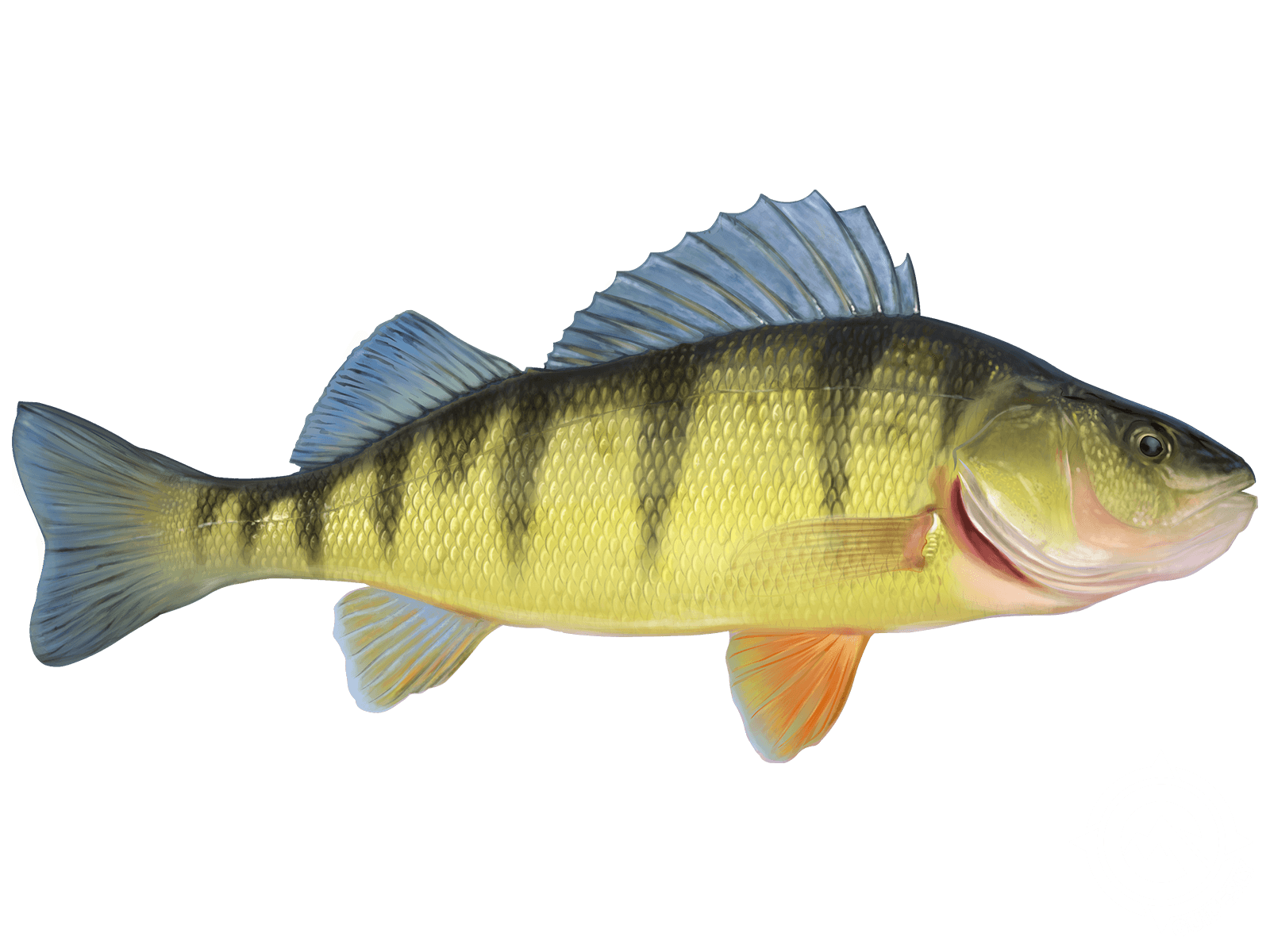
 American Yellow Perch
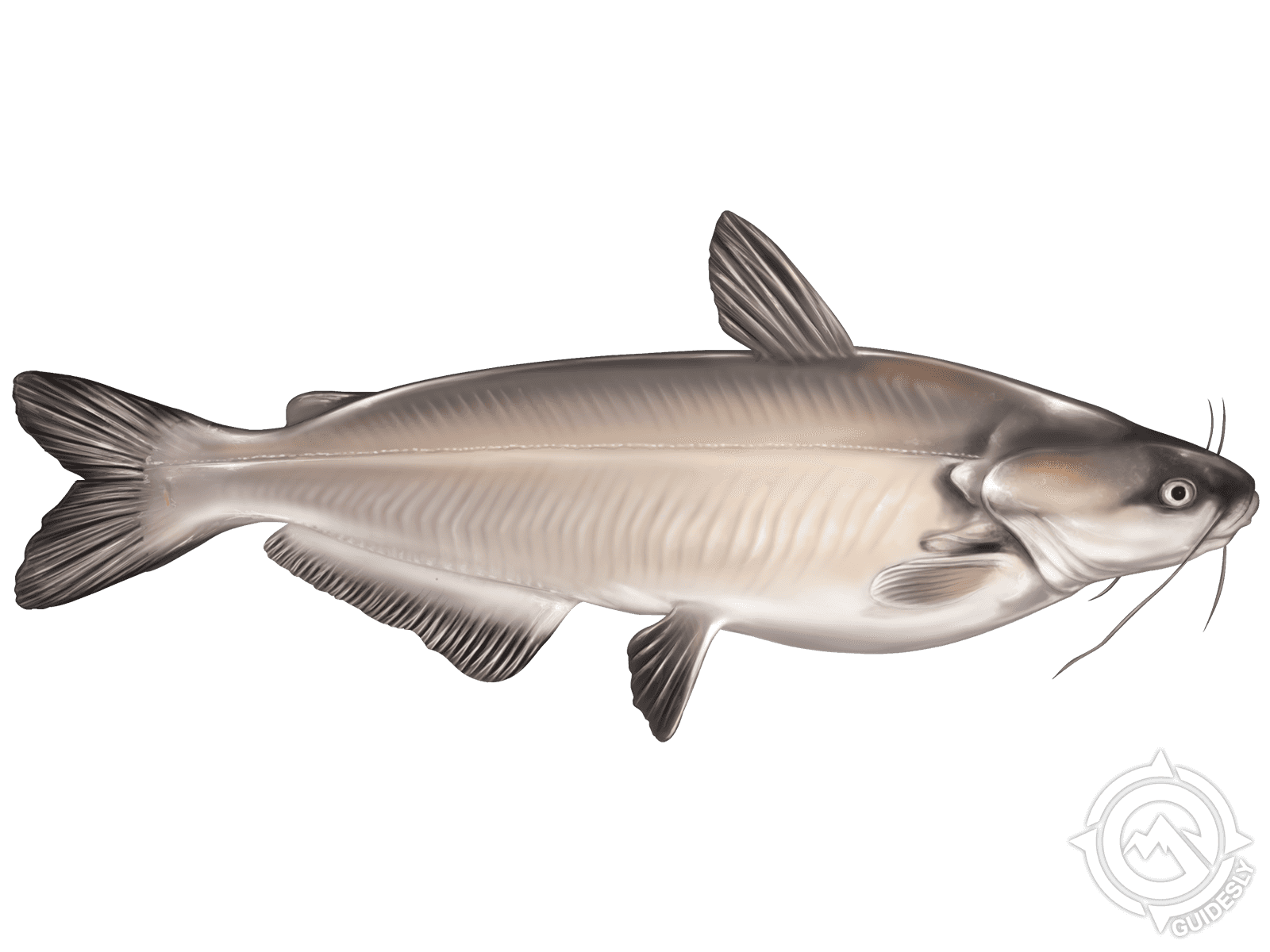
 Blue Catfish
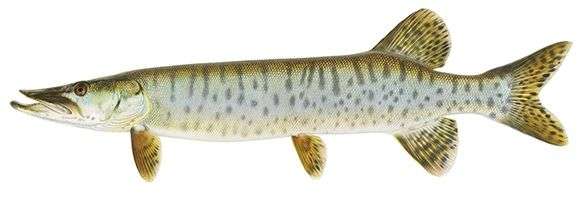
 Muskellunge
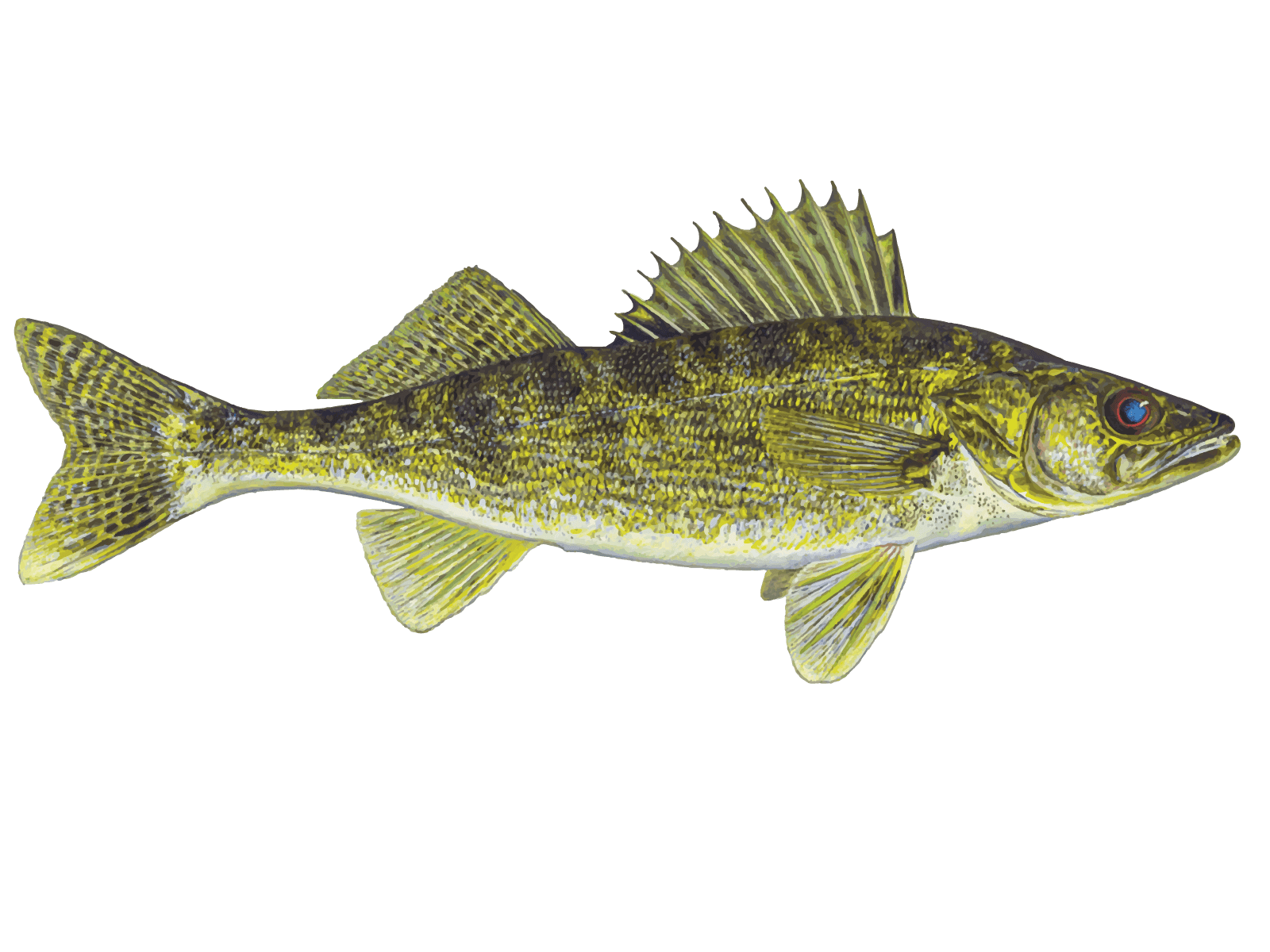
 Walleye
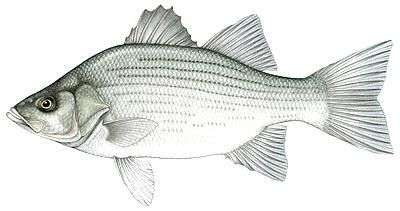
 White Bass
- Join Captain Billy Howe for an afternoon fishing adventure on the Detroit River and Lake St Clair, where his 20 years of local knowledge puts you right on the fish. This PM charter targets walleye, yellow perch, and blue catfish in some of Michigan's most productive waters. Perfect for beginners and experienced anglers alike, we'll provide all the gear while you focus on landing fish. The afternoon timing works great for these species, and you'll get to experience two distinct waterbodies in one trip. Bring your fishing license, sunglasses, and get ready for consistent action on waters that consistently produce quality catches year-round.
Trip Pricing and Availabilities:
Detroit River Walleye & Perch Charter (PM)
Looking for a solid afternoon on the water targeting some of Michigan's best eating fish? Captain Billy Howe's got you covered with this specialized PM charter on the Detroit River and Lake St Clair system. With two decades of experience working these waters, Billy knows exactly where the walleye are staging and where the perch schools are hanging out. This isn't some cookie-cutter trip – it's a hands-on fishing adventure that puts you right in the heart of one of the Great Lakes' most productive fisheries. Whether you're a weekend warrior or just getting started, this USCG licensed operation delivers the kind of local expertise that turns good days into great ones.
What to Expect on the Water
Your afternoon starts with a departure that takes advantage of prime feeding times when walleye and perch are most active. The Detroit River system offers incredible diversity – one minute you're working the current breaks along the Canadian side, the next you're out on Lake St Clair's expansive flats where massive perch schools roam. Captain Billy's approach is all about reading the water and adjusting tactics based on what the fish are telling him that day. The base rate covers two anglers, but you can bring additional guests for a reasonable flat fee. All your rods, reels, and tackle are provided, so you just need to show up with your Michigan fishing license, polarized sunglasses, and some non-spray sunblock. Feel free to bring along some beverages in non-glass containers – a cold beer pairs perfectly with a bent rod and screaming drag.
Techniques & Tackle
This charter runs the full spectrum of Great Lakes fishing techniques depending on conditions and what's biting best. For walleye, expect to work everything from bottom bouncers with spinner rigs to precision jigging along drop-offs and structure. The Detroit River's current creates perfect ambush points, and Billy knows every rock pile and channel edge where these golden beauties like to wait. Perch fishing often involves vertical presentations over deeper water, using small jigs tipped with minnows or worms. When the bite is on, you'll be pulling up doubles and triples of jumbo perch that'll make your arms tired in the best possible way. Blue catfish add another dimension to the trip – these powerful fighters can show up anywhere and will test your tackle and technique. The boat comes equipped with quality gear that can handle everything from finesse presentations to the occasional muskie that might crash the party.
Target Species You'll Want to Hook
Walleye are the crown jewel of this fishery, and for good reason. These golden-sided predators average 2-4 pounds in this system, with plenty of opportunities for bigger fish pushing 6-8 pounds or more. Spring through fall offers consistent action, but the PM departure timing hits them right as they're moving up to feed in shallower water. Walleye have excellent eyesight in low light conditions, making afternoon and evening hours prime time. Their firm, white meat is legendary among anglers, and the satisfaction of feeling that distinctive walleye "thump" on the line never gets old.
American Yellow Perch might be smaller than walleye, but they make up for it with sheer numbers and incredible table fare. Lake St Clair is famous for producing jumbo perch in the 10-12 inch range, and when you find a school, the action can be non-stop. These striped fighters travel in large groups and are active feeders throughout the day. Peak perch fishing typically runs from late summer through fall when they're fattening up for winter. There's nothing quite like the steady thump-thump of perch hitting your line, and a cooler full of these panfish means some of the best eating you'll find in freshwater.
Blue Catfish are the wild card species that can turn any trip into something special. These whiskered bruisers have been expanding their range in the Great Lakes system and can reach impressive sizes in these nutrient-rich waters. Unlike their smaller channel cat cousins, blues are serious fighters that will test your drag and determination. They're opportunistic feeders that can show up day or night, often surprising anglers targeting other species. The biggest ones patrol deeper channels and structure, making every hookup a potential trophy.
White Bass provide explosive action when they're schooled up and feeding. These silver bullets are built for speed and fight way above their weight class. Spring and fall see the best white bass action as they follow baitfish movements throughout the system. When you locate an active school, it's common to catch fish on every cast until they move on to the next feeding area. Their aggressive nature makes them perfect for anglers who love fast-paced action and bent rods.
Muskellunge represent the apex predator in this ecosystem and the fish of a thousand casts. While not the primary target, these freshwater sharks patrol the same waters and occasionally make appearances that anglers never forget. Lake St Clair produces some monster muskies, and even a follow or strike from one of these legendary fish can make your entire season. Their explosive strikes and aerial displays are the stuff of fishing dreams, making every cast carry the potential for something truly special.
Time to Book Your Spot
Captain Billy's PM charter delivers exactly what serious anglers are looking for – local expertise, quality equipment, and access to some of Michigan's best multi-species fishing. The Detroit River and Lake St Clair system offers world-class fishing in a setting that combines natural beauty with consistent action. This top-rated operation focuses on putting fish in the boat while making sure you understand the techniques and locations that make it all possible. With 20 years of experience reading these waters, Billy's knowledge transforms good fishing days into the kind of trips you'll be talking about all winter. Don't wait – prime afternoon slots fill up fast, especially during peak season when the fishing is at its absolute best.
Learn more about the species
American Yellow Perch
Yellow perch are the bread and butter fish here, running 6-10 inches with those classic vertical stripes. They school up tight around weed beds, docks, and structure in 8-15 feet of water. Spring through fall they're active, but late summer and early fall are peak times when they're fattening up. What makes them popular is consistent action and some of the best eating fish in these waters - sweet, flaky meat that's perfect for a fish fry. They hit small jigs, minnows, and worms readily. Since they school heavily, you can catch limits quickly once you locate them. Pro tip: use a small jig tipped with a piece of crawler and work it just off bottom around weed edges. When you find one, work the area thoroughly.
Blue Catfish
Blue cats are the heavyweights of our waters, growing 25-40 inches and putting up bulldozer fights. These opportunistic feeders love deep holes, channels, and muddy bottoms where they scavenge everything from crawfish to cut bait. They're most active during warmer months and feed well into the night. What makes them special is their sheer size and power - they'll test your drag and your patience. The meat is excellent eating, firm and mild. They're not picky eaters but respond best to fresh cut bait like herring or shad. Here's what works: let your bait sit on bottom in deep water and be patient. When they pick it up, give them time to swallow before setting the hook hard.
Muskellunge
Muskies are the apex predator here, growing 30-50 inches and putting up legendary battles. These ambush hunters lurk around weed edges, rocky shoals, and structure in 10-20 feet of water. Late summer through fall is prime time when they're most active and feeding heavily before winter. What draws anglers is the trophy potential and heart-stopping strikes - they're called the fish of 10,000 casts for good reason. The fight is explosive with jumps, runs, and head shakes that'll test your gear. Most are released for future generations. Success comes with large lures, heavy tackle, and patience. Local secret: work figure-eight patterns at boatside after every cast - muskies often follow and strike right at the boat.
Walleye
Walleye are the prize fish around here, typically running 15-20 inches with those distinctive glassy eyes. They prefer rocky structures, drop-offs, and weed edges in 12-20 feet of water. These nocturnal feeders are most active during low-light periods - dawn, dusk, and overcast days are money time. Spring and fall produce the best action when they're feeding heavily. What guests love is the challenge of finding them and that sweet, flaky white meat that's hard to beat on the table. They fight smart rather than hard, making long runs and head shakes. My go-to tip: use a slip sinker rig with a nightcrawler and drag it slowly along bottom structure. Let them run with it before setting the hook.
White Bass
White bass are silver-sided schooling fish that run 10-12 inches and pack a serious punch for their size. These aggressive fighters love open water near rocky areas and drop-offs, typically holding in 15-25 feet during the day. They're visual feeders that hit hard on small jigs, spoons, and live minnows. Spring and fall are prime times when they school up tight and feed heavily. What makes them popular is the non-stop action - find one school and you'll catch dozens. The meat is firm and tasty when kept on ice. Here's a local tip: when you mark a school on the finder, drop a white marabou jig right through the middle and jig it vertically. They'll hammer it.
About the Canvasback
%2F%2Fusers%2F18681fc0-68a9-4860-8725-31d491da5079%2Fvehicle_picture%2F9495f159af6b14bf15858308ee2b68d7-mmpstxvn.jpg&w=1920&q=75)
Vehicle Guest Capacity: 3
Manufacturer Name: Mercury
Maximum Cruising Speed: 25
Number of Engines: 1
Horsepower per Engine: 50