%2Ffit-in%2F250x250%2Fguide_websites%2F121466%2Fimages%2F1773456582803logo-removebg-preview.png&w=1920&q=100)
/users/18681fc0-68a9-4860-8725-31d491da5079/ratecard/detroit-river-fishing-guide-walleye-limit-mmpptj5a.jpg)
%2F300x300%2Fusers%2F18681fc0-68a9-4860-8725-31d491da5079%2Fratecard%2Fdetroit-river-fishing-guide-walleye-limit-mmpptj5a.jpg&w=256&q=75)
%2F300x300%2Fusers%2F18681fc0-68a9-4860-8725-31d491da5079%2Fimages%2Fdetroit-fishing-boat-water-2417.jpg&w=256&q=75)
%2F300x300%2Fusers%2F18681fc0-68a9-4860-8725-31d491da5079%2Fimages%2Fdetroit-fishing-boat-catch-2389.jpg&w=256&q=75)
%2F300x300%2Fusers%2F18681fc0-68a9-4860-8725-31d491da5079%2Fimages%2Fdetroit-fishing-fresh-catch-2423.jpg&w=256&q=75)
%2F300x300%2Fusers%2F18681fc0-68a9-4860-8725-31d491da5079%2Fimages%2Fdetroit-walleye-fishing-catch-2542.jpg&w=256&q=75)
%2F300x300%2Fusers%2F18681fc0-68a9-4860-8725-31d491da5079%2Fimages%2Fwaterfowl-hunting-detroit-success-2375.jpg&w=256&q=75)
%2F300x300%2Fusers%2F18681fc0-68a9-4860-8725-31d491da5079%2Fimages%2Fdetroit-fishing-trip-catch-2453.jpg&w=256&q=75)
%2F300x300%2Fusers%2F18681fc0-68a9-4860-8725-31d491da5079%2Fimages%2Fdetroit-fishing-boat-catch-2380.jpg&w=256&q=75)
%2F300x300%2Fusers%2F18681fc0-68a9-4860-8725-31d491da5079%2Fimages%2Fdetroit-waterfowl-hunting-success-2615.jpg&w=256&q=75)
%2F300x300%2Fusers%2F18681fc0-68a9-4860-8725-31d491da5079%2Fimages%2Fsunset-fishing-detroit-waterfowl-2402.jpg&w=256&q=75)
%2F300x300%2Fusers%2F18681fc0-68a9-4860-8725-31d491da5079%2Fimages%2Fdetroit-fishing-boat-sunset-2537.jpg&w=256&q=75)
Detroit River Walleye Charter Canvasback
What you will be catching:
 American Yellow Perch
 Blue Catfish
 Muskellunge
 Walleye
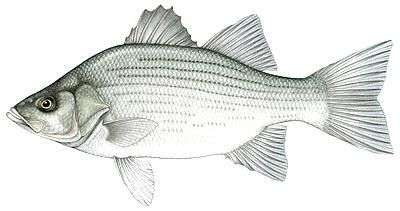
 White Bass
- This afternoon walleye trip takes you out on the Detroit River and Lake St Clair when the fish really start biting. We launch at 1:30 PM for four solid hours of fishing, targeting walleye and yellow perch in some of Michigan's best waters. With 50 years of local knowledge, your guide knows exactly where to find fish during that prime afternoon bite. We handle all the gear
- rods, reels, and tackle are included
- so you just need your Michigan license and you're set. Perfect for up to 2 anglers who want to experience these productive waters without the full-day commitment. The late start means you can sleep in and still get serious about catching fish.
Trip Pricing and Availabilities:
Detroit River Walleye Charter - Afternoon Half Day
Picture this: it's 1:30 PM and you're stepping aboard our boat, ready to hit some of Michigan's most productive walleye waters. The Detroit River and Lake St Clair system isn't just scenic—it's a walleye factory that's been producing trophy fish for decades. This 4-hour afternoon trip targets that sweet evening bite when walleye start moving shallow and feeding aggressively. With 50 years of experience guiding these waters, I know exactly where to find them when the afternoon sun starts working in our favor. We keep things intimate with just 2-3 anglers max, so you're not fighting for rod space or competing for my attention when the action heats up.
What to Expect on the Water
The afternoon departure gives us a huge advantage—walleye are notorious for their evening feeding patterns, especially in this system. We'll start by working the deeper structure in the Detroit River where these fish stage during the day, then transition to the shallower flats as the sun angle changes. The beauty of fishing this connected waterway is the variety—one minute we're drifting river current breaks, the next we're working Lake St Clair's expansive flats. The water clarity here is fantastic, which means these walleye can be picky, but it also means when we hook up, you'll often see them coming long before they hit the net. Don't worry about bringing gear—I've got top-quality rods, reels, and all the tackle dialed in for these specific conditions. Just grab your Michigan fishing license, some polarized sunglasses, and non-spray sunblock. The afternoon sun can be intense out there, but the fishing makes it all worthwhile.
Techniques That Work Here
We're talking about a two-system fishery that requires different approaches depending on where the fish are holding. In the Detroit River, we'll primarily use bottom bouncers with spinner rigs or jig and minnow combos to work the current seams and drop-offs. The river's flow creates natural feeding lanes, and experienced guides know exactly how to present baits in that moving water. When we transition to Lake St Clair, we might switch to trolling cranks over the flats or vertical jigging when we mark schools on the electronics. The key here is reading the water—sometimes these walleye are tight to bottom in 25 feet, other times they're suspended halfway down in the water column chasing baitfish. Yellow perch add a fun bonus element, especially for newer anglers. They're aggressive, fight hard for their size, and often travel in schools. When we find a good perch bite, it's not uncommon to boat a dozen fish in quick succession before moving on to target the bigger walleye.
Species You'll Want to Hook
Walleye are the main event here, and for good reason. These Detroit River and Lake St Clair walleye average 2-4 pounds, with plenty of fish pushing 6-8 pounds mixed in. They're known for their incredible table fare—firm, white, flaky meat that's absolutely delicious. Peak walleye action typically runs from late spring through fall, but these afternoon trips really shine during summer months when the evening bite is most reliable. What makes walleye special is their fight—they don't jump like bass, but they have this head-shaking, bulldogging style that keeps you guessing until they're in the net.
American Yellow Perch are the perfect complement to walleye fishing. These guys run 8-12 inches on average, with the occasional jumbo hitting 13-14 inches. They're absolute dynamite on light tackle and incredibly aggressive, making them perfect for beginning anglers or anyone who just wants consistent action. Perch move in schools, so when you find them, you've often found 50 or more fish in a small area. They're also fantastic eating—many locals actually prefer perch to walleye for their sweet, delicate flavor.
White Bass show up as a bonus species, especially during their spring and fall runs. These fish are pure energy—they hit hard, fight harder, and often travel in massive schools. When white bass are active, it's some of the most fast-paced fishing you'll find in freshwater. They typically run 1-3 pounds but make up for size with sheer numbers and aggressive strikes.
Blue Catfish and Muskellunge round out the possibilities, though they're more of a pleasant surprise than a target species. Blues can show up anywhere from 5-20 pounds and provide a completely different fight than anything else in the system. Muskies are the true wildcard—these apex predators can hit 40+ inches and provide heart-stopping action when they decide to eat your walleye bait.
Time to Book Your Spot
This afternoon walleye charter combines the best of both worlds—professional guiding with 50 years of local knowledge and access to one of the Great Lakes region's most productive fisheries. The 4-hour format gives us plenty of time to locate fish without wearing you out, and the afternoon timing puts us right in the wheelhouse of prime walleye feeding behavior. Whether you're a seasoned angler looking to learn new water or someone just getting into fishing, this trip delivers both action and education. The Detroit River and Lake St Clair system is truly special—it's big water fishing with the consistency of a managed fishery. Book your spot today and see why this afternoon bite has been a local secret for decades. These intimate 2-3 person trips fill up fast, especially during peak season, so don't wait to secure your date.
Learn more about the species
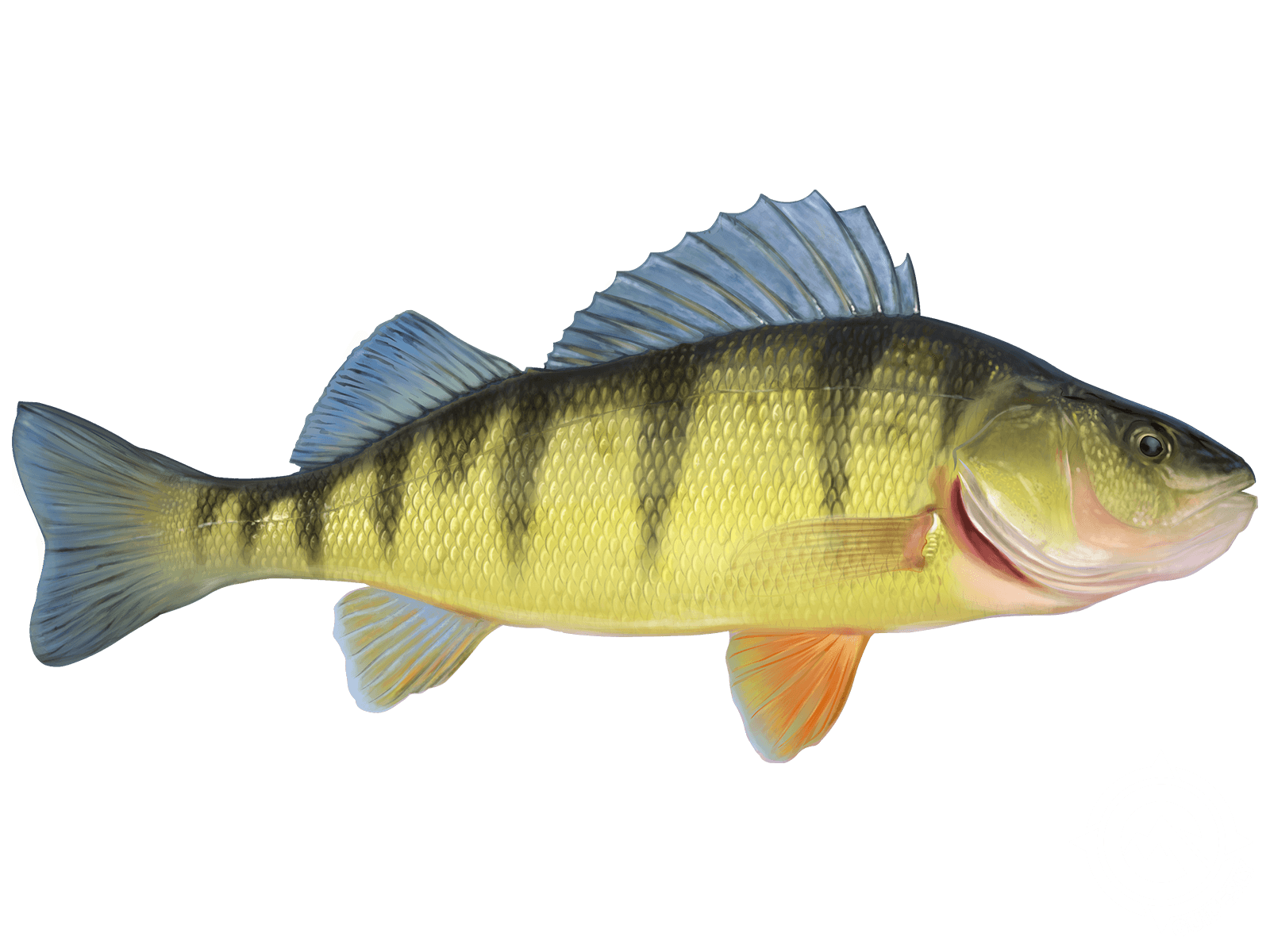
American Yellow Perch
Yellow perch are the perfect family fish - averaging 6-8 inches with those bright golden sides and dark vertical bars. They school up tight around weed beds, docks, and structure in 5-15 feet of water. Spring and late fall are best when they're feeding heavy before and after spawn. Kids love them because they bite readily and aren't hard to handle. Adults appreciate how good they taste - sweet, flaky meat that's hard to beat fried up. These guys aren't picky eaters, so small jigs, minnows, or even worms work great. Here's the key: find the school and you're in business. They travel in groups of 50-200 fish, so once you locate them, you can fill a cooler fast. Light tackle makes it more fun too.
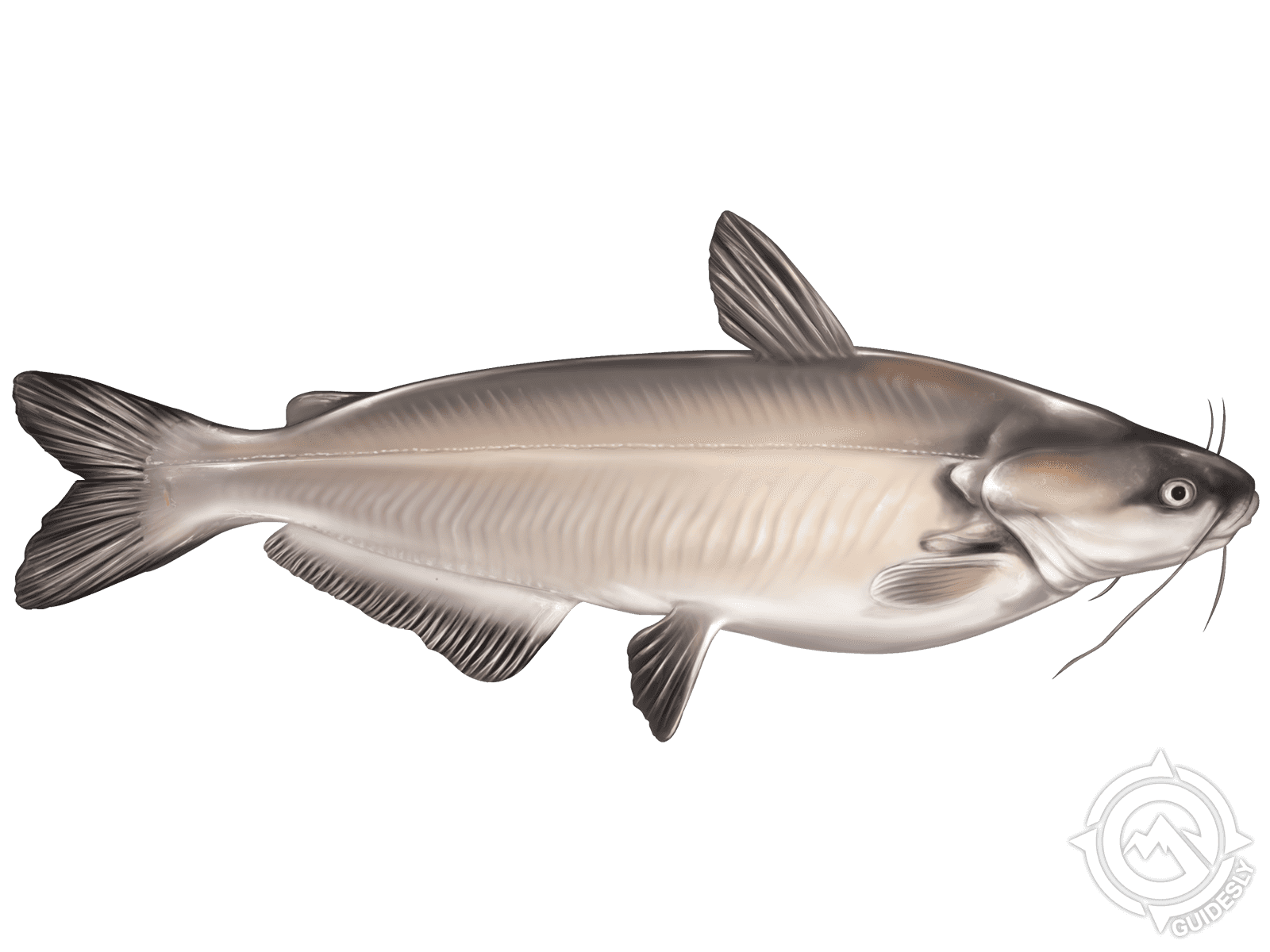
Blue Catfish
Blue cats are the bulldozers of our system - these slate-blue giants can hit 25-40 inches and really test your gear. They love deep holes and muddy bottoms near current breaks, especially where the river meets Lake St Clair. Summer evenings are prime when they move shallow to hunt. What makes them special is that raw power - they'll drag line and give you a workout like few fish can. They're opportunistic feeders, so cut bait works great. Fair warning though, they're not the best table fare compared to channel cats. Pro tip: once you hook one, keep steady pressure and let your drag work. These fish will run hard, but tire out if you stay patient. Heavy tackle is a must - they'll straighten light hooks without breaking a sweat.
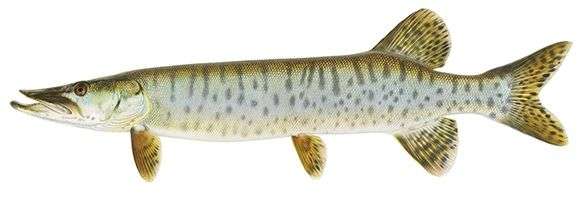
Muskellunge
Muskie are the apex predator here - these torpedo-shaped beasts can reach 3-4 feet and 20-30 pounds in our waters. They lurk around weed edges, rocky points, and structure in 10-25 feet, ambushing anything that moves. Late fall is prime time when they feed heavy before winter. This is trophy fishing at its finest - catching one is a serious accomplishment and the fight is legendary. They'll jump, run, and test every knot you tied. Not great eating, so most folks release these beauties. Fair warning: muskie fishing requires patience - they call it the "fish of 10,000 casts" for good reason. My advice: use heavy tackle and big baits. Work lures slowly around structure and always have your net ready - these fish go ballistic at the boat.
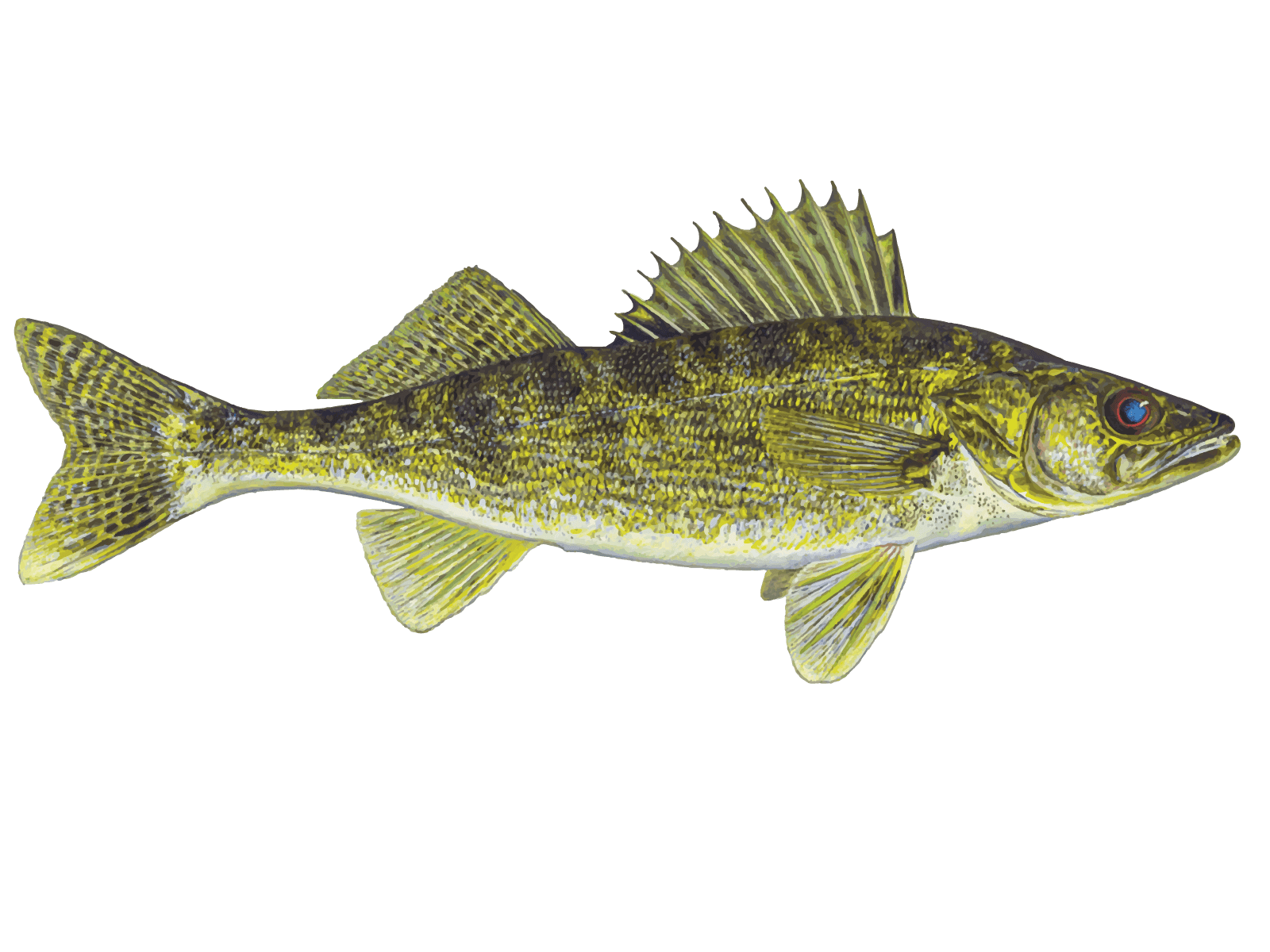
Walleye
Walleye are the prize fish of these waters, running 15-25 inches with those signature glassy eyes that help them hunt in low light. They stick to rock piles, drop-offs, and weed edges in 8-20 feet during the day, then move shallow to feed at dusk - perfect for our afternoon trips. Late summer through fall is prime time when they're most active. What guests love is the challenge - walleye can be picky, but once hooked they fight hard with head-shaking runs. And the eating? Best freshwater fish you'll taste - mild, flaky, and no muddy flavor. Here's my go-to trick: when we find fish, slow your presentation way down. Live bait on bottom rigs works best, and patience pays off with these guys.
White Bass
White bass are scrappy silver fighters that run 10-12 inches and travel in schools around the Detroit River. These guys love deeper channels and drop-offs during the day, then move shallow to feed at dusk. You'll spot them by their dark horizontal stripes and that distinctive hump behind their head. Spring and fall are prime time when they're actively feeding on baitfish. What makes them popular is that solid fight for their size - they'll bend your rod and make multiple runs. Plus, they're excellent eating with firm, flaky white meat. Here's a tip: when you find one white bass, stick around. They school tight, so where there's one, there's usually a dozen more. Small jigs or spinners worked just off the bottom will keep you busy.
About the Canvasback
%2F%2Fusers%2F18681fc0-68a9-4860-8725-31d491da5079%2Fvehicle_picture%2F9495f159af6b14bf15858308ee2b68d7-mmpstxvn.jpg&w=1920&q=75)
Vehicle Guest Capacity: 3
Manufacturer Name: Mercury
Maximum Cruising Speed: 25
Number of Engines: 1
Horsepower per Engine: 50