%2Ffit-in%2F250x250%2Fguide_websites%2F121466%2Fimages%2F1773456582803logo-removebg-preview.png&w=1920&q=100)
/users/18681fc0-68a9-4860-8725-31d491da5079/ratecard/rsw_1160h_15ss47-mmpondkh.jpg)
%2F300x300%2Fusers%2F18681fc0-68a9-4860-8725-31d491da5079%2Fratecard%2Frsw_1160h_15ss47-mmpondkh.jpg&w=256&q=75)
%2F300x300%2Fusers%2F18681fc0-68a9-4860-8725-31d491da5079%2Fimages%2Fdetroit-fishing-boat-water-2417.jpg&w=256&q=75)
%2F300x300%2Fusers%2F18681fc0-68a9-4860-8725-31d491da5079%2Fimages%2Fdetroit-fishing-boat-catch-2389.jpg&w=256&q=75)
%2F300x300%2Fusers%2F18681fc0-68a9-4860-8725-31d491da5079%2Fimages%2Fdetroit-fishing-fresh-catch-2423.jpg&w=256&q=75)
%2F300x300%2Fusers%2F18681fc0-68a9-4860-8725-31d491da5079%2Fimages%2Fdetroit-walleye-fishing-catch-2542.jpg&w=256&q=75)
%2F300x300%2Fusers%2F18681fc0-68a9-4860-8725-31d491da5079%2Fimages%2Fwaterfowl-hunting-detroit-success-2375.jpg&w=256&q=75)
%2F300x300%2Fusers%2F18681fc0-68a9-4860-8725-31d491da5079%2Fimages%2Fdetroit-fishing-trip-catch-2453.jpg&w=256&q=75)
%2F300x300%2Fusers%2F18681fc0-68a9-4860-8725-31d491da5079%2Fimages%2Fdetroit-fishing-boat-catch-2380.jpg&w=256&q=75)
%2F300x300%2Fusers%2F18681fc0-68a9-4860-8725-31d491da5079%2Fimages%2Fdetroit-waterfowl-hunting-success-2615.jpg&w=256&q=75)
%2F300x300%2Fusers%2F18681fc0-68a9-4860-8725-31d491da5079%2Fimages%2Fsunset-fishing-detroit-waterfowl-2402.jpg&w=256&q=75)
%2F300x300%2Fusers%2F18681fc0-68a9-4860-8725-31d491da5079%2Fimages%2Fdetroit-fishing-boat-sunset-2537.jpg&w=256&q=75)
AM Walleye Fishing Detroit River Canvasback
What you will be catching:
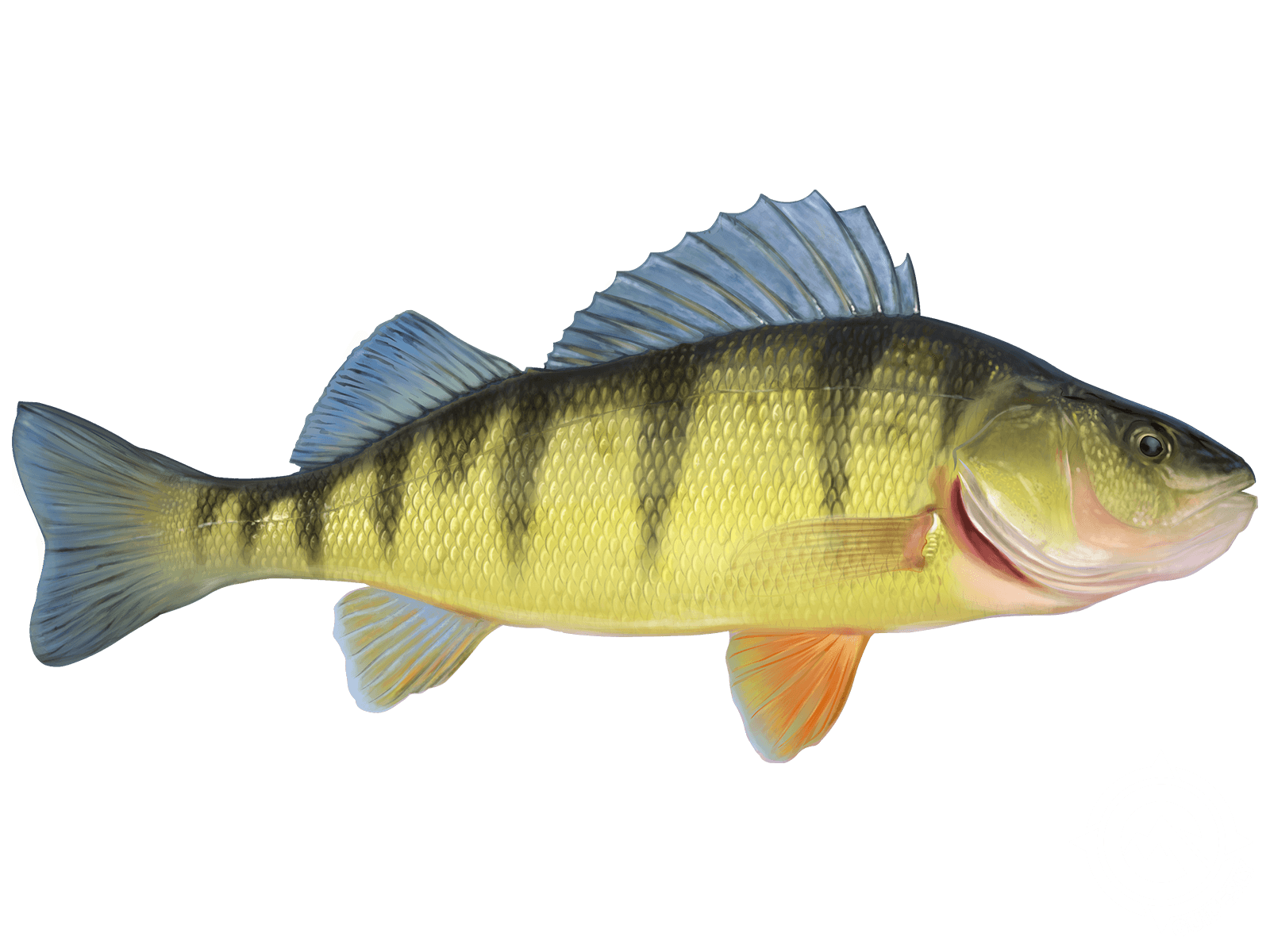
 American Yellow Perch
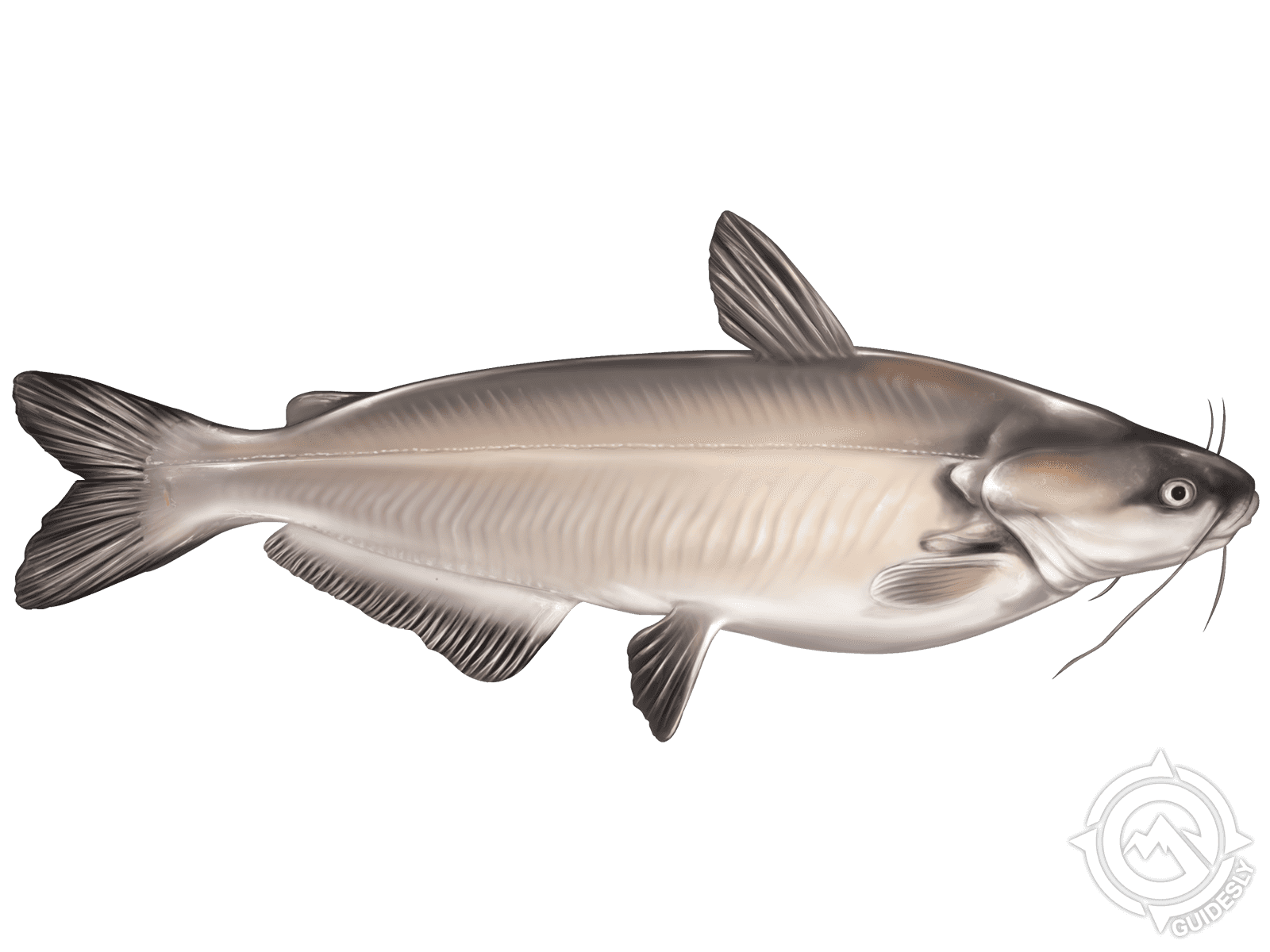
 Blue Catfish
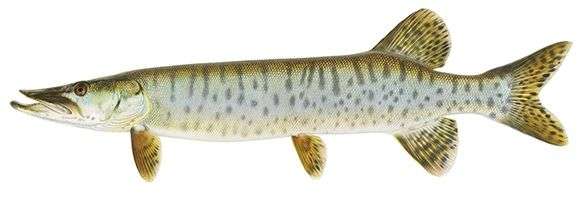
 Muskellunge
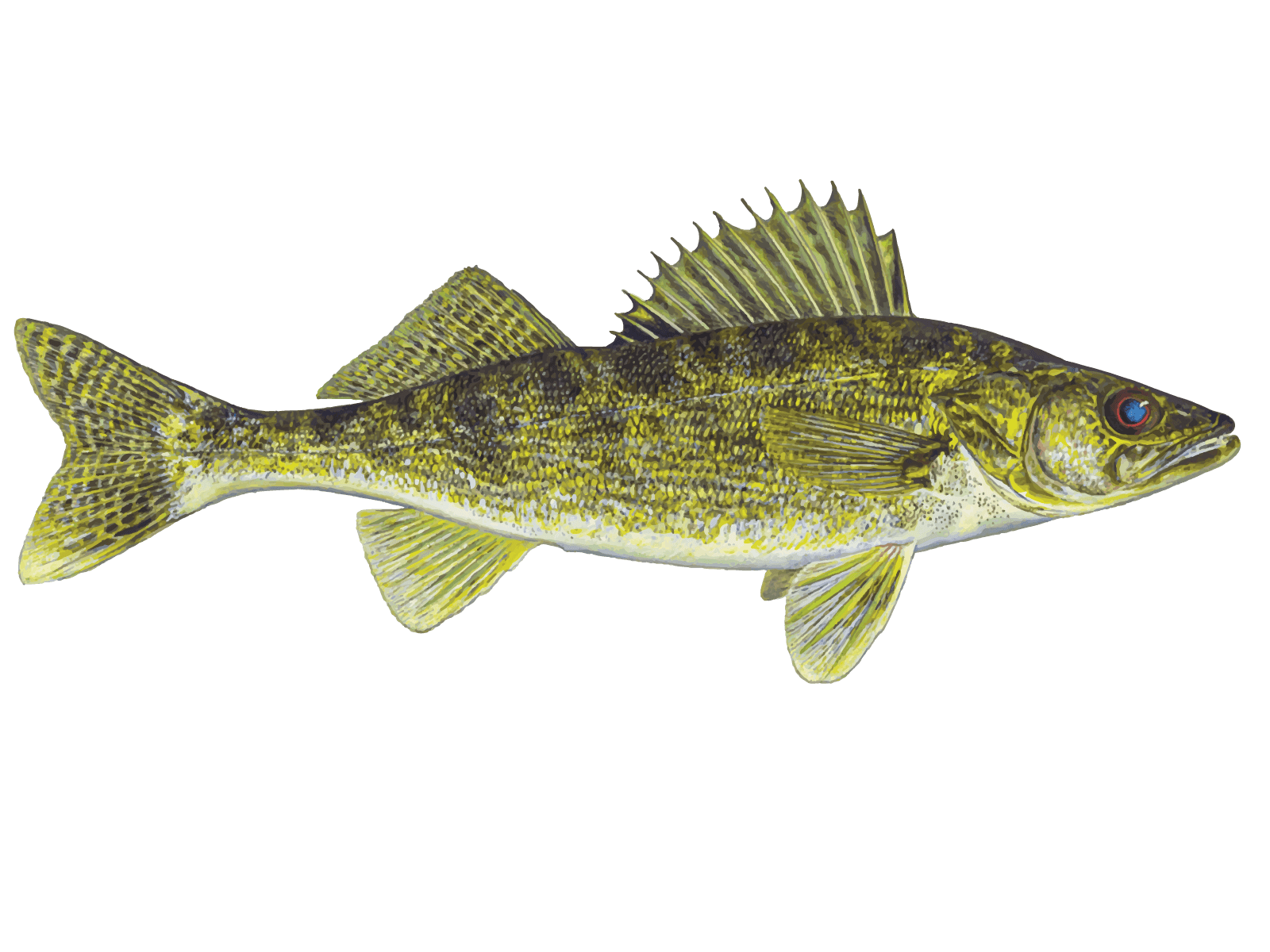
 Walleye
 White Bass
- Captain Billy Howe brings 20 years of Detroit River expertise to this walleye-focused charter on some of Michigan's best fishing waters. You'll target the famous walleye runs that make this area legendary, with chances at muskellunge, perch, catfish, and white bass depending on what's biting. The trip covers both Detroit River and Lake St Clair, giving you access to prime structure and current breaks where fish concentrate. Billy provides all the gear and knows exactly where to find them based on conditions. Perfect for anyone wanting to experience world-class Great Lakes fishing with a captain who's dialed into these waters. Just bring your Michigan license and get ready to put some quality fish in the boat.
Trip Pricing and Availabilities:
Detroit River Walleye Charter with Captain Billy
Captain Billy Howe has been working these waters for two decades, and there's nobody I'd rather send you out with for a morning walleye trip. The Detroit River and Lake St Clair system is hands down one of the most productive walleye fisheries in the Great Lakes, and Billy knows every current break, structure, and seasonal pattern that makes these fish tick. This morning charter is perfect for anyone who wants to experience world-class fishing without the full-day commitment. Whether you're a complete beginner or you've been chasing walleye for years, Billy will put you on fish and make sure you have a great time doing it. The trip covers up to two anglers in the base price, and you can add more folks if needed. All the gear is provided - we're talking quality rods, reels, and tackle that can handle whatever these waters throw at you.
What to Expect on the Water
Your morning starts early, which is exactly when you want to be out there. Billy will have you hitting the prime spots right as the fish are most active, usually focusing on the deeper channels and drop-offs where walleye stage during their famous spring runs. The Detroit River system is unique because it connects two major bodies of water, creating incredible current and structure that holds fish year-round. You'll be trolling with precision - Billy uses GPS and sonar to stay on the productive water, adjusting speed and depth based on what the fish are telling him. The boat is equipped with everything you need, including a comfortable setup that makes it easy to handle fish and enjoy the ride. Spring and fall are absolutely lights-out for walleye here, but Billy finds them consistently throughout the open water season. Don't be surprised if you pick up some bonus species along the way - muskellunge, yellow perch, catfish, and white bass all call these waters home.
Techniques and Tackle Setup
Billy runs a trolling program that's been refined over 20 years of guiding on this system. You'll be working with medium-action rods rigged with line counter reels, letting you get your baits down to the exact depth where fish are holding. The standard approach involves pulling crankbaits and crawler harnesses at controlled speeds, usually between 1.5 and 2.5 mph depending on conditions and fish mood. Billy reads the water constantly, watching his electronics for bait schools, temperature breaks, and bottom structure that attracts walleye. The Detroit River has incredible current, so boat control is everything - you'll see him making constant adjustments to keep baits in the strike zone. Lead core lines and snap weights help get presentations down deep, especially when targeting the 25-35 foot zones where big walleye often suspend. All tackle is provided, so you just need to bring your Michigan fishing license, polarized sunglasses, and non-spray sunblock. Moderate alcohol is welcome as long as it's not in glass containers.
Top Catches This Season
Walleye are the star of the show here, and for good reason. These fish run heavy in the Detroit River system, with most keeper walleye ranging from 15 to 20 inches, though bigger fish over 25 inches show up regularly. Spring brings the famous walleye run when fish move through the system to spawn, creating some of the most consistent action you'll find anywhere in the Great Lakes. They're aggressive feeders during this period, hitting everything from bright-colored cranks to natural presentations. Summer walleye relate more to deeper structure and thermal layers, but Billy knows how to find them. What makes walleye so appealing is their excellent table fare - these are some of the best eating fish in freshwater, with firm white fillets that taste amazing. White bass provide fast action when they're schooled up, especially during their own spawning runs. These scrappy fighters often come in bunches, giving you bent rod after bent rod. Blue catfish are the heavyweight division here, with fish over 20 pounds possible. They fight harder than most people expect and provide a different kind of challenge on lighter tackle. American yellow perch are a favorite for their sweet, delicate meat and cooperative nature - perfect for beginners or when you want consistent action. Muskellunge are the wild card - these apex predators can show up anytime and turn a routine walleye trip into something special. They're not common, but when one hits, you'll know why they're called the fish of 10,000 casts.
Why Book Your Morning Trip
This Detroit River walleye charter with Captain Billy gives you access to some of the best walleye fishing in the Great Lakes without having to figure out this complex system on your own. Twenty years of local knowledge means you're fishing the right spots with the right techniques, maximizing your time on productive water. The morning timeframe is perfect for people who want great fishing but also have other plans for the day, and it's typically when walleye are most active anyway. All gear is included, so you're not dealing with the hassle and expense of rigging your own boat and tackle for these specific waters. Billy's USCG license and professional approach mean you can focus on fishing instead of worrying about safety or navigation. The variety of species keeps things interesting - even if walleye are slow, there's usually something else biting. Whether you're looking to fill the cooler with dinner, introduce someone to Great Lakes fishing, or just get out on the water with a knowledgeable guide, this trip delivers consistent results and a great experience on two of Michigan's most productive fisheries.
Learn more about the species
American Yellow Perch
Yellow perch are the perfect family fish - typically 6-10 inches and easy to catch once you locate a school. These golden fish with dark vertical bars hang around weed beds, docks, and shallow structure in 5-15 feet of water. Spring through fall they're active, but ice fishing season is when they really shine. Kids love them because they bite readily and aren't picky about bait. Small jigs, minnows, or even pieces of worm will work. They school in huge numbers, so once you find them, you can fill a bucket fast. The eating is outstanding - sweet, firm fillets that are perfect pan-fried. They make up a huge portion of the sport catch in the Great Lakes for good reason. Local trick: use a small teardrop jig tipped with a piece of worm, and once you catch one, mark the spot because the rest of the school is right there.
Blue Catfish
Blue catfish are the heavyweights of the catfish family, commonly hitting 25-40 inches and 15-30 pounds in these waters. They're bottom dwellers that love deep holes, muddy flats, and areas with current breaks. Unlike their smaller cousins, blues will cruise mid-water and even surface feed thanks to that slight underbite. Summer nights are prime time when they move shallow to hunt. What gets people hooked is the raw power - these fish will test your drag and your back. They're also excellent table fare with firm, mild meat. The key here is fresh cut bait - herring, shad, or even chicken liver on a slip sinker rig. Drop it to the bottom and wait. Pro tip: bring heavy gloves because these slimy bruisers will fight hard, and those fins are sharp as needles.
Muskellunge
Muskies are the ultimate predator in these waters - true giants that can stretch 40-50 inches and weigh 20-40 pounds. These ambush hunters lurk around weed edges, rocky shoals, and drop-offs where they can surprise prey. Fall is peak season when they feed aggressively before winter, though summer evenings can be productive too. What draws die-hard muskie anglers is the trophy potential and the fight of a lifetime. They're called the "fish of 10,000 casts" for a reason - they're moody and selective. Large bucktails, jerkbaits, and topwater lures work best. The thrill isn't just the size, it's the heart-stopping strikes and bulldogging runs. Most anglers release these apex predators to fight another day. Key tip: use barbless hooks and heavy tackle - 50-pound braid minimum. When one follows your lure, don't stop reeling. Do a figure-eight at boatside because they often strike at the last second.
Walleye
Walleye are the crown jewel of these waters, typically running 15-25 inches and 2-6 pounds. Those distinctive glowing eyes help them feed in low light, making dawn, dusk, and overcast days your best bet. They hold near bottom structure - rocky points, weed edges, and drop-offs in 10-25 feet of water. Spring and fall offer the hottest action when they move shallow to feed. What draws anglers back is the combination of a decent fight, the challenge of finding them, and some of the best eating you'll find in freshwater. That firm, white, flaky meat has made walleye famous on dinner tables across the Midwest. My go-to tip: slow your presentation way down. Walleye often follow before they bite, so a jig dragged along bottom will outproduce fast-moving lures every time.
White Bass
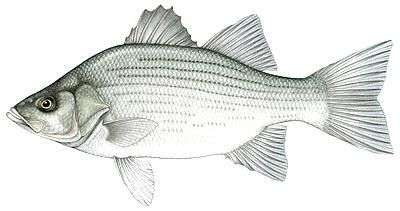
White bass are schooling fish that run 10-12 inches and weigh up to 2 pounds, though some reach 18 inches. These silver fish with dark horizontal stripes are aggressive fighters that love to feed in groups. You'll find them in open water and around structure in both the Detroit River and Lake St Clair. Spring and fall are prime times when they're most active, especially during low-light periods at dawn and dusk. They're visual feeders that hit small jigs, spinners, and live minnows hard. What makes them popular is their willingness to bite, solid fight for their size, and excellent eating quality - sweet, flaky meat that's perfect for a fish fry. Local tip: when you find one white bass, work the area thoroughly since they travel in schools of dozens or even hundreds of fish.
About the Canvasback
%2F%2Fusers%2F18681fc0-68a9-4860-8725-31d491da5079%2Fvehicle_picture%2F9495f159af6b14bf15858308ee2b68d7-mmpstxvn.jpg&w=1920&q=75)
Vehicle Guest Capacity: 3
Manufacturer Name: Mercury
Maximum Cruising Speed: 25
Number of Engines: 1
Horsepower per Engine: 50