%2Ffit-in%2F250x250%2Fguide_websites%2F121466%2Fimages%2F1773456582803logo-removebg-preview.png&w=1920&q=100)
/users/18681fc0-68a9-4860-8725-31d491da5079/ratecard/metro-detroit-outfitters-mmppjb0d.jpg)
%2F300x300%2Fusers%2F18681fc0-68a9-4860-8725-31d491da5079%2Fratecard%2Fmetro-detroit-outfitters-mmppjb0d.jpg&w=256&q=75)
%2F300x300%2Fusers%2F18681fc0-68a9-4860-8725-31d491da5079%2Fimages%2Fdetroit-fishing-boat-water-2417.jpg&w=256&q=75)
%2F300x300%2Fusers%2F18681fc0-68a9-4860-8725-31d491da5079%2Fimages%2Fdetroit-fishing-boat-catch-2389.jpg&w=256&q=75)
%2F300x300%2Fusers%2F18681fc0-68a9-4860-8725-31d491da5079%2Fimages%2Fdetroit-fishing-fresh-catch-2423.jpg&w=256&q=75)
%2F300x300%2Fusers%2F18681fc0-68a9-4860-8725-31d491da5079%2Fimages%2Fdetroit-walleye-fishing-catch-2542.jpg&w=256&q=75)
%2F300x300%2Fusers%2F18681fc0-68a9-4860-8725-31d491da5079%2Fimages%2Fwaterfowl-hunting-detroit-success-2375.jpg&w=256&q=75)
%2F300x300%2Fusers%2F18681fc0-68a9-4860-8725-31d491da5079%2Fimages%2Fdetroit-fishing-trip-catch-2453.jpg&w=256&q=75)
%2F300x300%2Fusers%2F18681fc0-68a9-4860-8725-31d491da5079%2Fimages%2Fdetroit-fishing-boat-catch-2380.jpg&w=256&q=75)
%2F300x300%2Fusers%2F18681fc0-68a9-4860-8725-31d491da5079%2Fimages%2Fdetroit-waterfowl-hunting-success-2615.jpg&w=256&q=75)
%2F300x300%2Fusers%2F18681fc0-68a9-4860-8725-31d491da5079%2Fimages%2Fsunset-fishing-detroit-waterfowl-2402.jpg&w=256&q=75)
%2F300x300%2Fusers%2F18681fc0-68a9-4860-8725-31d491da5079%2Fimages%2Fdetroit-fishing-boat-sunset-2537.jpg&w=256&q=75)
Lake St Clair Waterfowl Hunting Canvasback
What you will be catching:
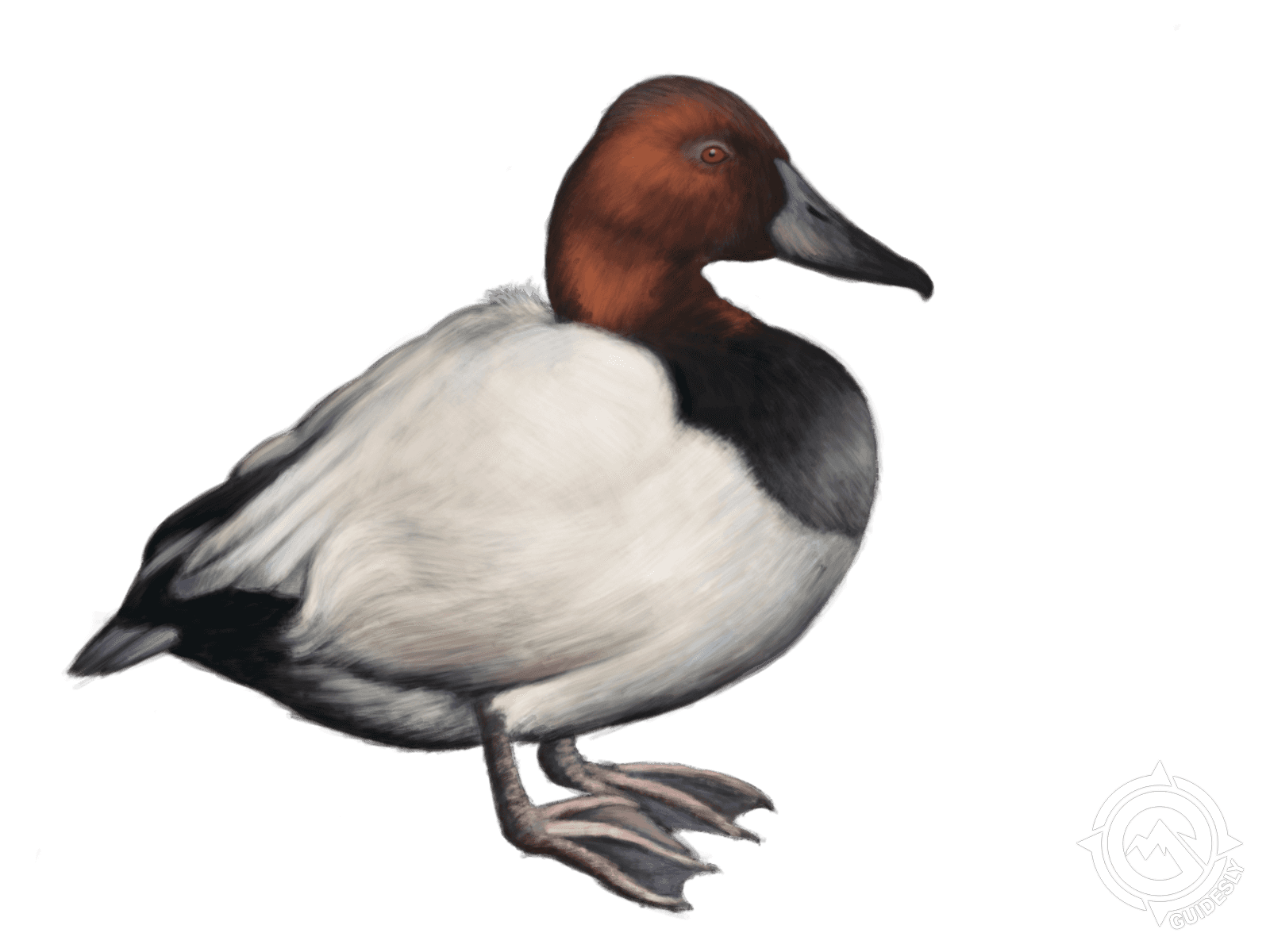
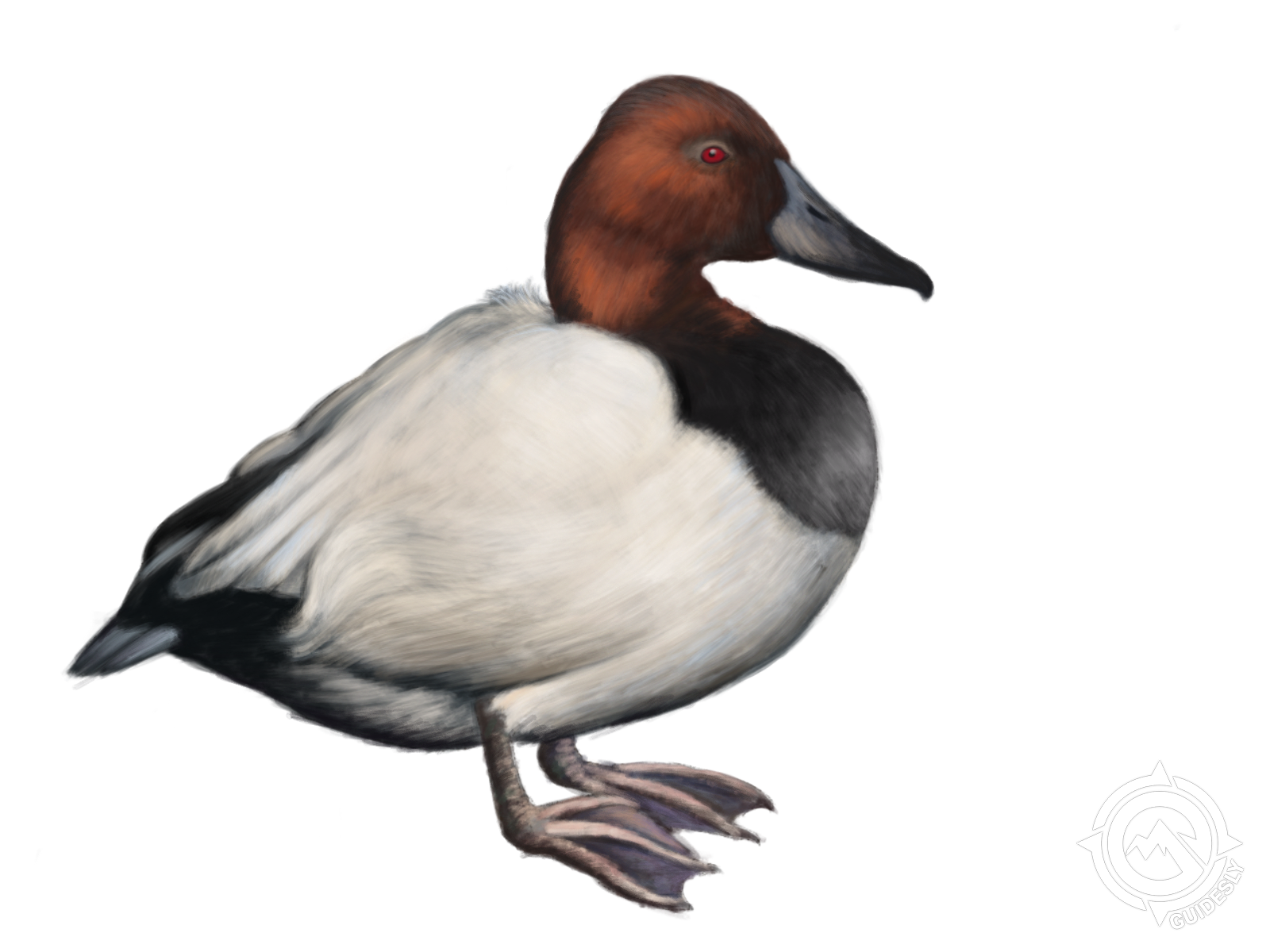 Canvasback
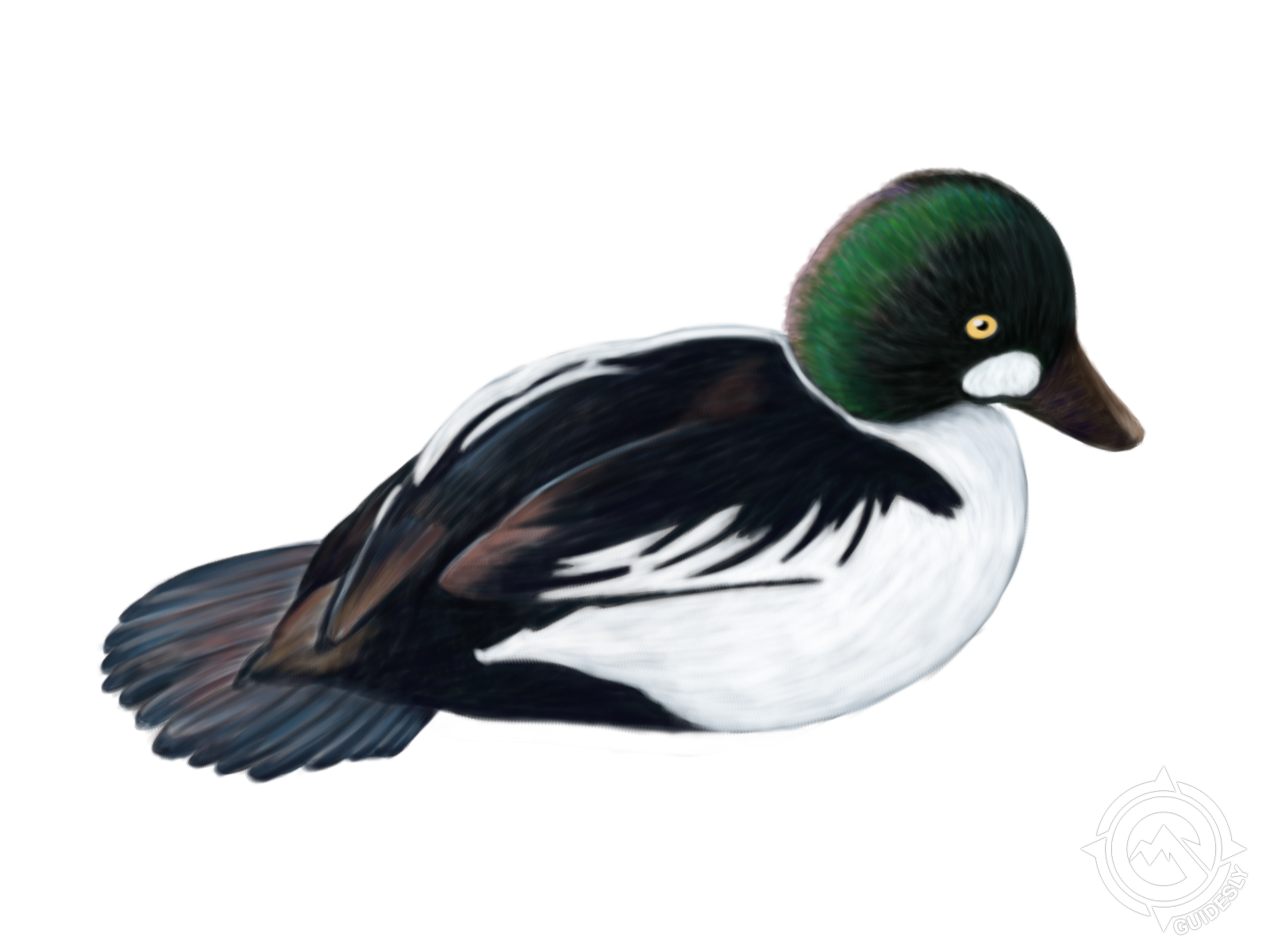 Common Goldeneye
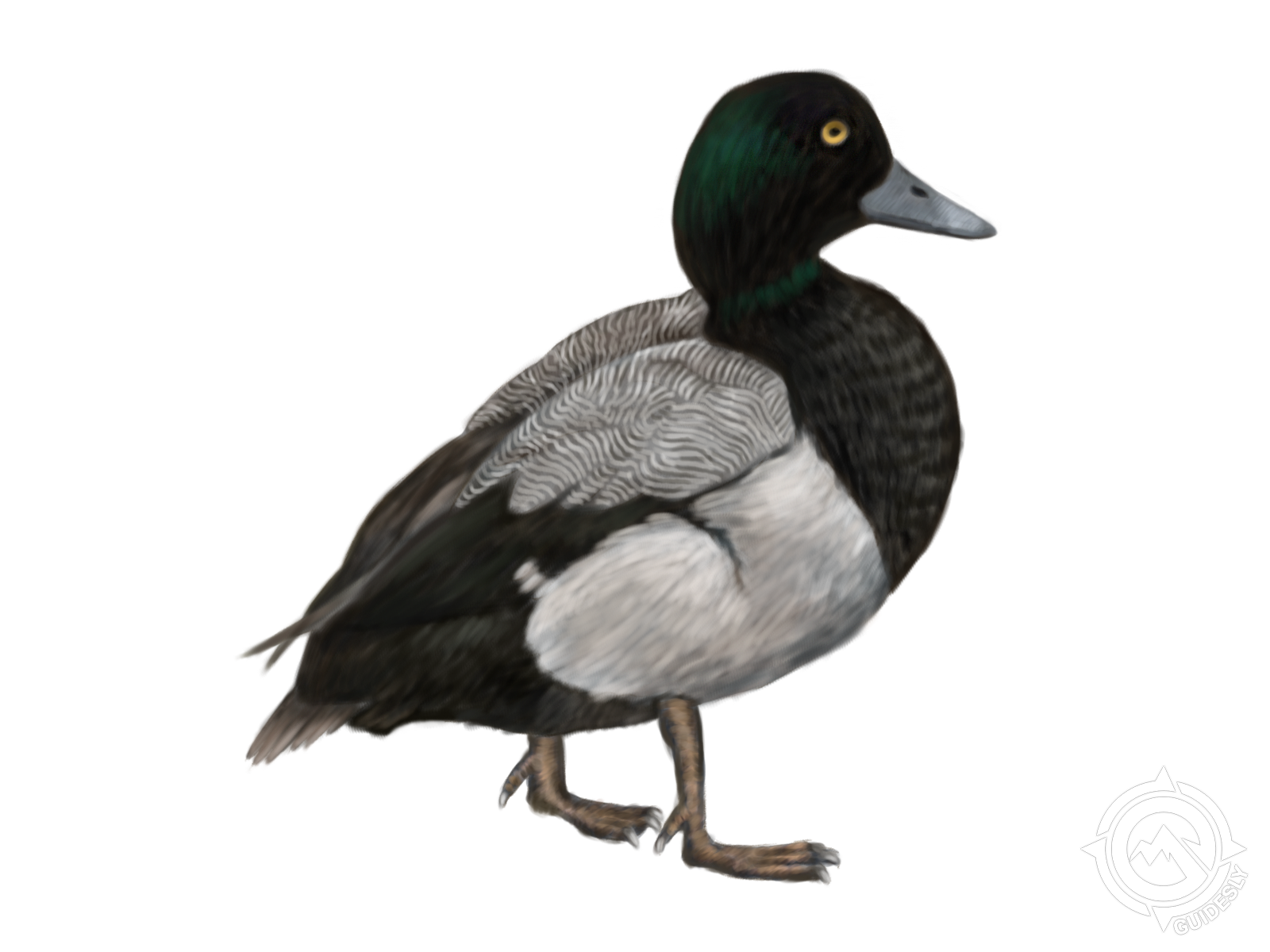 Greater Scaup
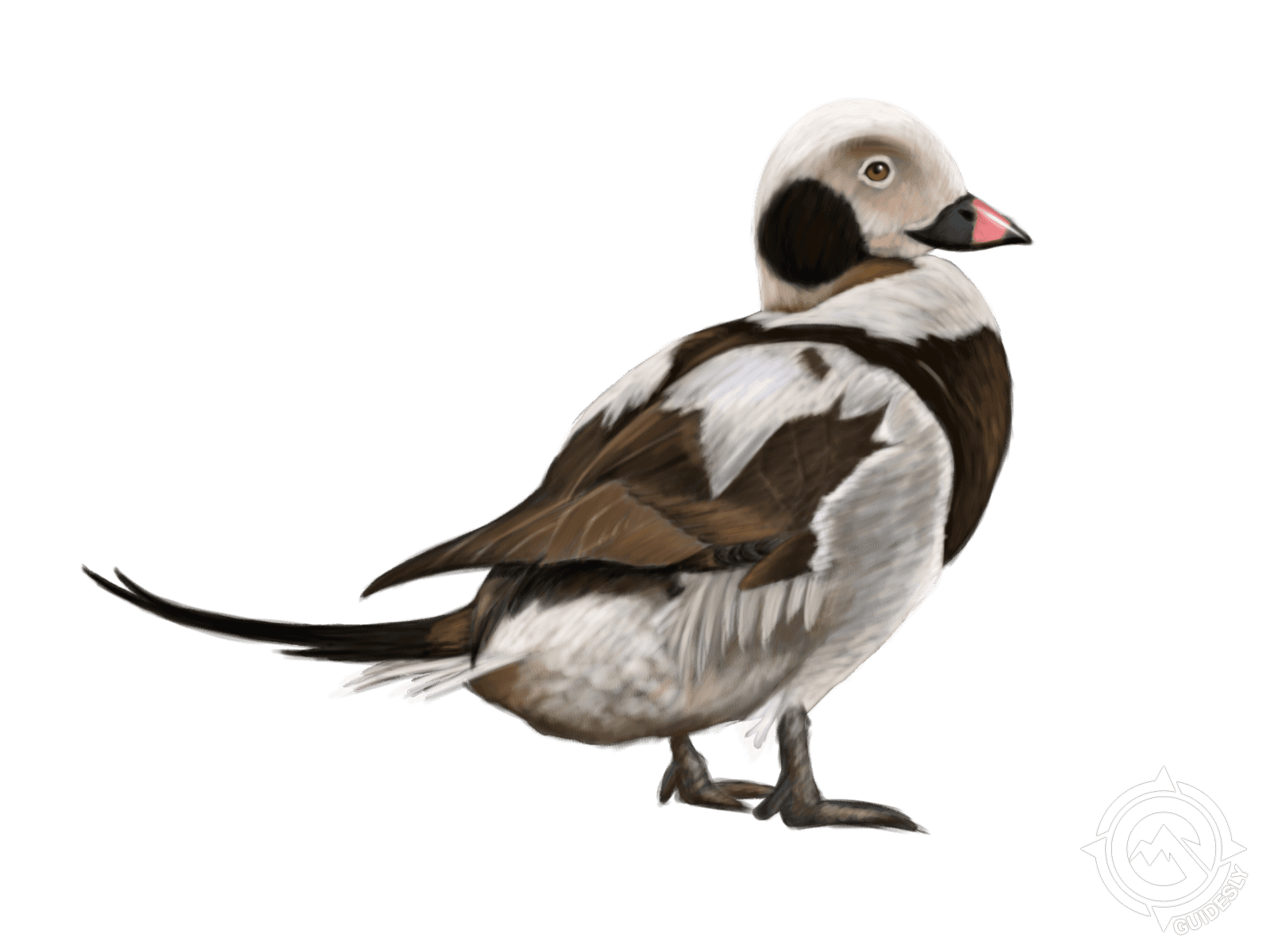
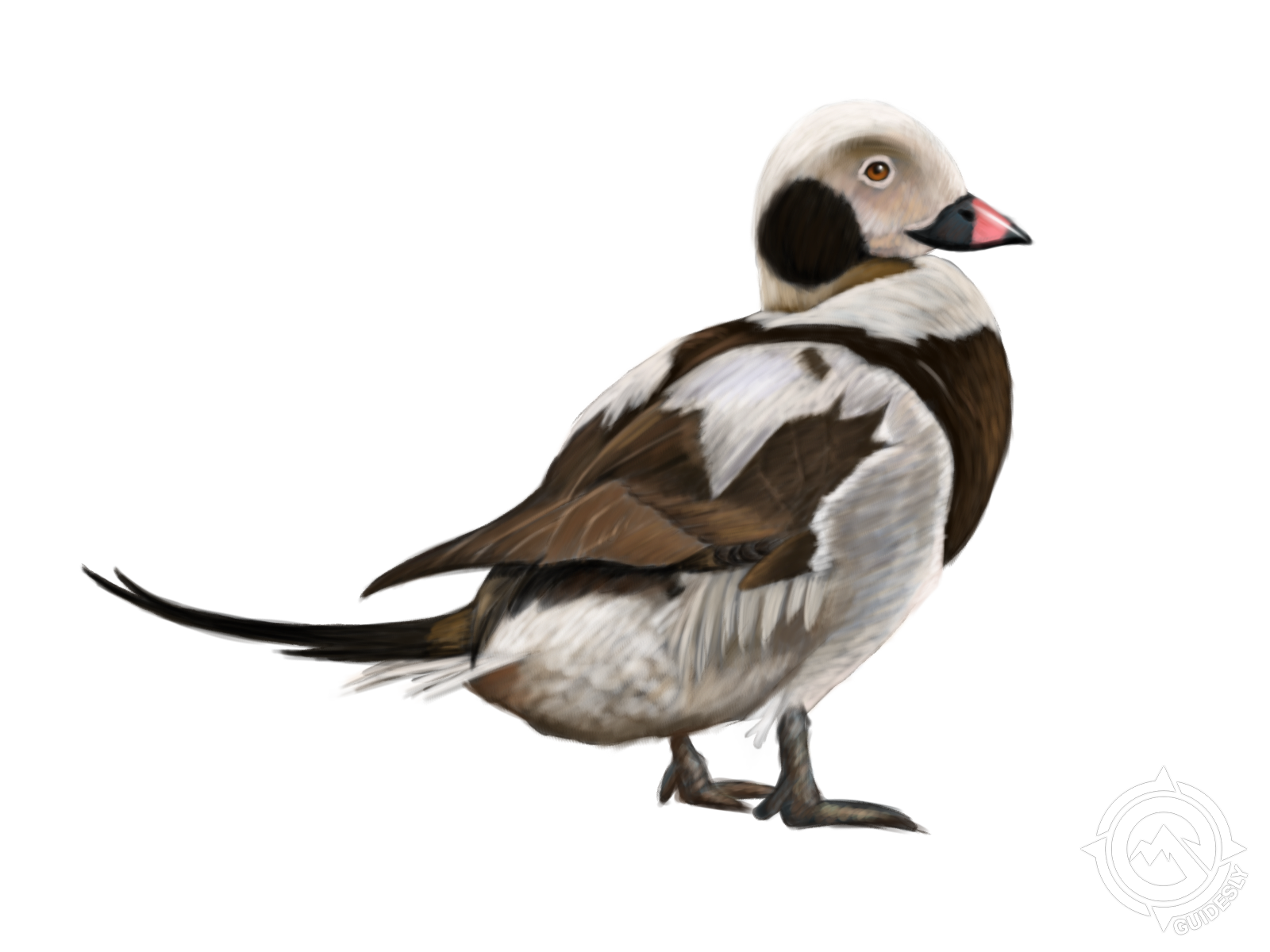 Oldsquaw/Long-tailed Duck
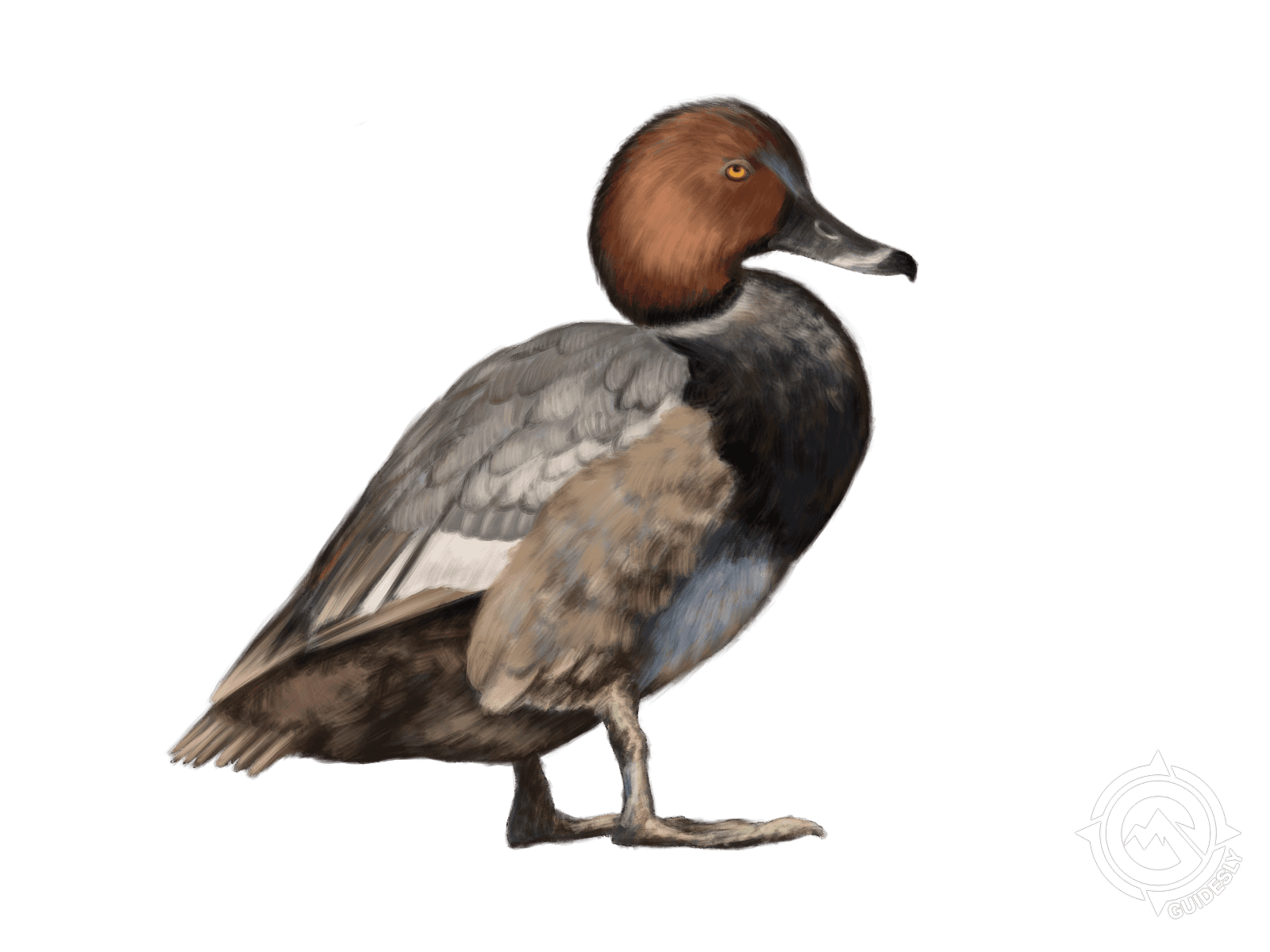
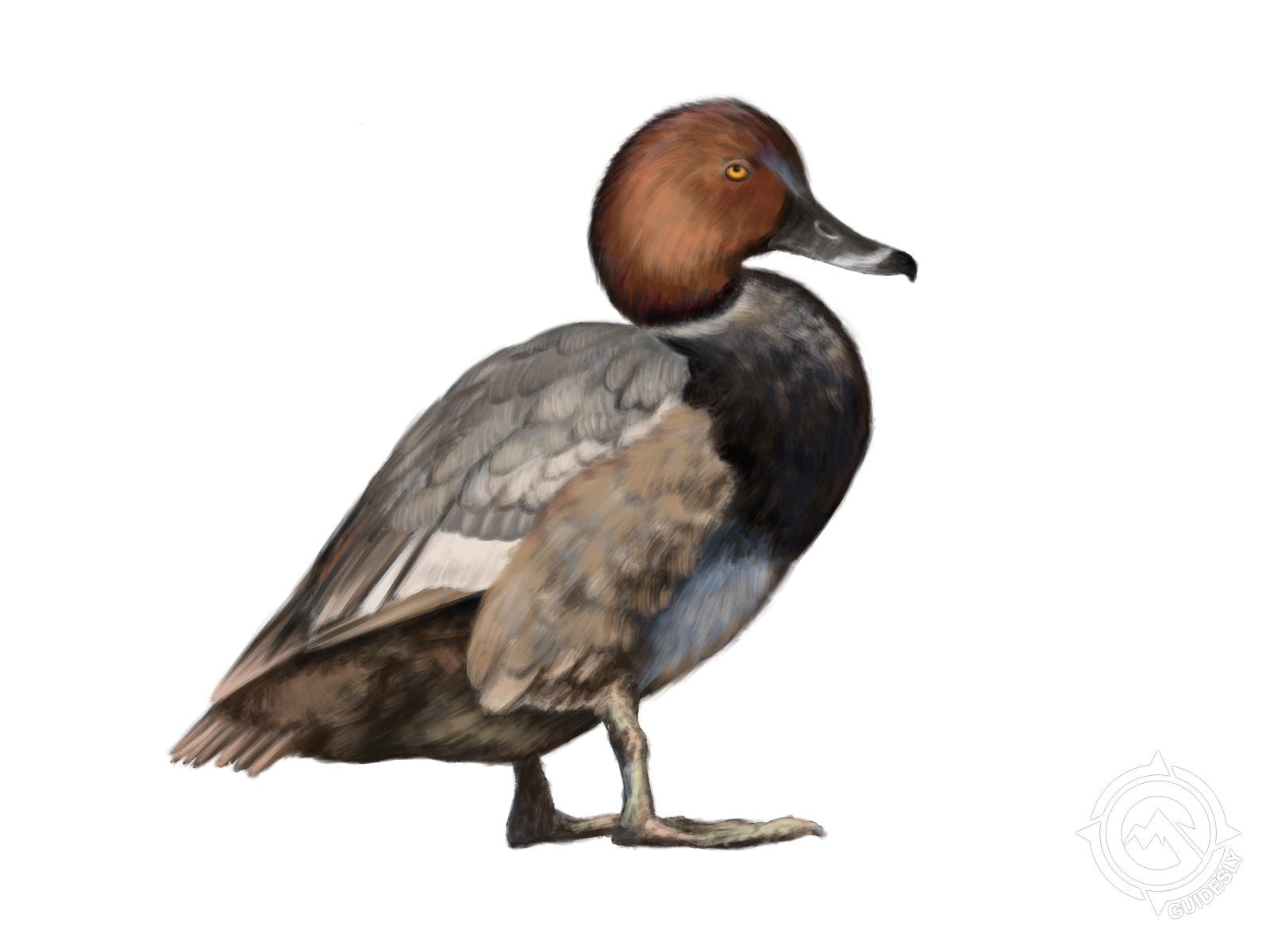 Redhead
- Join Canvasback Outfitters for three full days of waterfowl hunting on Lake St Clair, where massive flocks of ducks and geese use this area as a major stopover during migration. You'll hunt from blinds with experienced local guides who know exactly where birds are moving and when. This trip gives you plenty of time to work different spots and flight patterns over multiple days, so you're not rushed like on shorter hunts. The guides understand the seasonal patterns here and will put you in position for solid action. Perfect for hunters wanting to really dial in on waterfowl and spend quality time on the water. All skill levels welcome
- the guides will help you make the most of each setup.
Trip Pricing and Availabilities:
Lake St Clair Duck & Goose Hunt
Three days on Lake St Clair with Canvasback Outfitters means serious time in prime waterfowl territory. This isn't your typical dawn-to-noon hunt – we're talking about a comprehensive experience that gives you and up to three buddies the chance to really dial in on the flight patterns and feeding areas that make this lake a legendary stopover for migrating ducks and geese. Our guides know these waters like the back of their hand, and they'll put you in position to capitalize on the seasonal movements that bring waves of birds through this system. Whether you're a seasoned waterfowler or still figuring out your calling technique, this three-day window gives you room to learn, adapt, and put birds in the bag.
Inside the Hunt
Lake St Clair sits right in the heart of a major flyway, and that means consistent action when conditions line up. We're not just throwing decoys out and hoping for the best – our guides spend time scouting before your arrival, marking feeding areas, roost sites, and flight corridors that birds are actively using. Each morning starts with a briefing on wind direction, weather patterns, and where we expect to see movement based on what happened the day before. The beauty of a three-day hunt is that we can adjust our approach as we learn more about what the birds are doing. Maybe day one shows us they're working the north shoreline at first light, or perhaps we discover an evening flight that's worth targeting on day two. This adaptive approach is what separates a good hunt from a great one, and it's exactly why serious waterfowlers book multi-day trips when they want to maximize their opportunities.
Tracking Tips & Terrain
Blind hunting on Lake St Clair means working with the natural cover and contours that birds expect to see. We're not talking about fancy permanent structures – most of our setups use portable blinds and natural vegetation that blend seamlessly with the shoreline. The key is reading the water and understanding how diving ducks use different depths and bottom compositions for feeding. Canvasbacks and redheads love the deeper water where they can dive for wild celery and other aquatic vegetation, while goldeneyes often work the edges where the bottom transitions from sand to muck. Our decoy spreads reflect these preferences, with different species-specific setups depending on what we're targeting each day. Wind direction plays a huge role in our blind placement – birds want to land into the wind, so we position ourselves along their natural approach routes. The guides will teach you to read the subtle signs that indicate where birds want to be, from surface ripples that show underwater vegetation to the way decoys move in different current patterns.
Target Game Breakdown
Redheads are the bread and butter of Lake St Clair hunting, and for good reason. These medium-sized diving ducks show up in impressive numbers during peak migration, typically from late October through November. They're drawn to the abundant wild celery beds that thrive in the lake's fertile waters, and they're not particularly spooky once they commit to a decoy spread. What makes redheads exciting is their tendency to travel in large flocks – when you connect with a group, you're often looking at multiple shooting opportunities as they circle and work the decoys. They respond well to standard duck calls, and their flight pattern gives hunters plenty of time to prepare for clean shots.
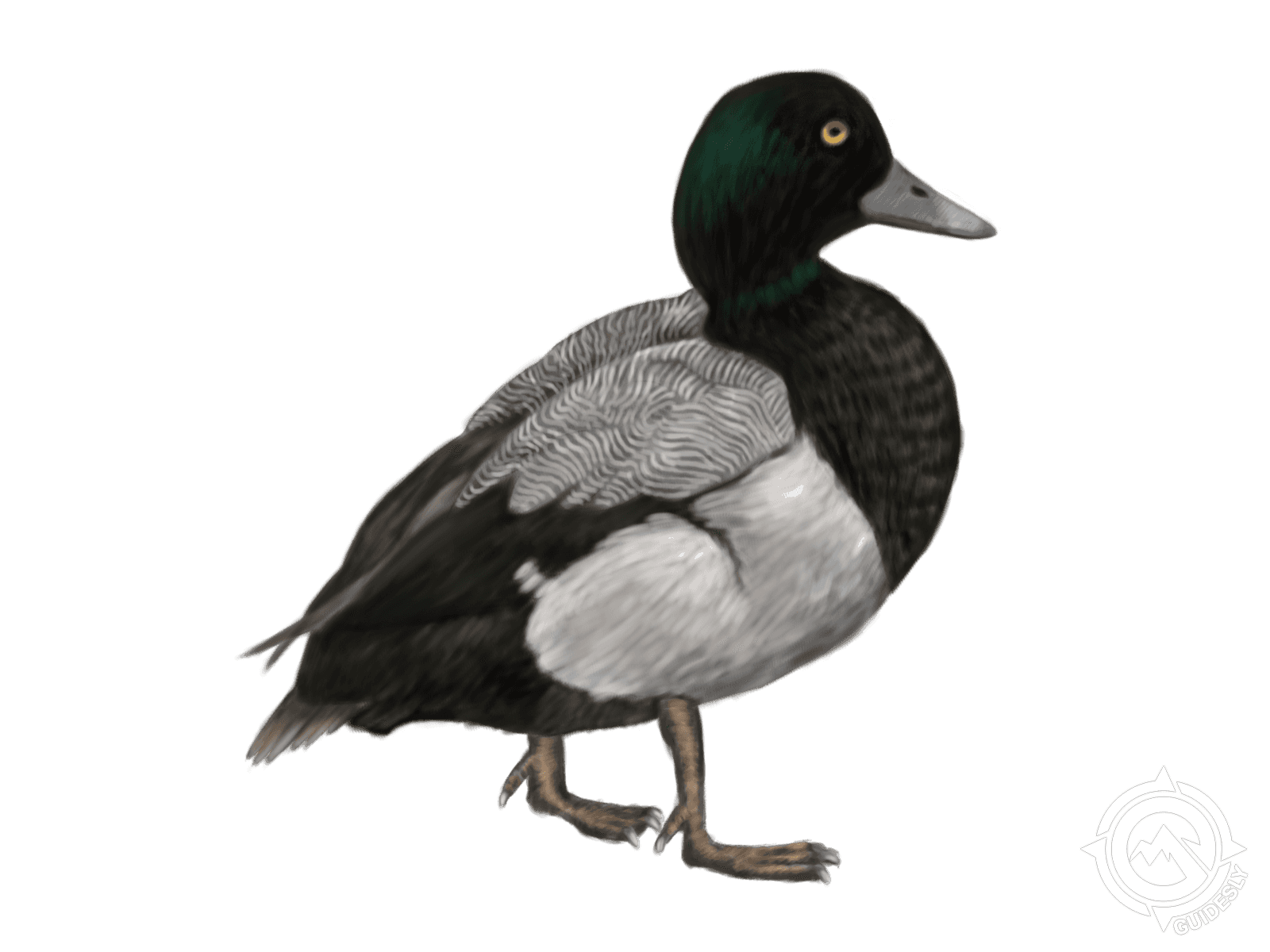
Greater Scaup bring a different dynamic to the hunt, often arriving in massive rafts that can number in the thousands. These diving ducks prefer the deeper, open waters of Lake St Clair, where they feed primarily on mollusks and aquatic invertebrates. Scaup hunting requires patience and the right setup – they're more cautious than redheads and will flare off decoy spreads that don't look natural. The payoff comes when you intercept a group that's committed to landing, as they provide fast-paced shooting opportunities. Peak scaup action typically occurs from mid-November into December, when cold weather pushes birds south from their northern staging areas.
Oldsquaw, now known as Long-tailed Duck, represent some of the most challenging and rewarding hunting Lake St Clair has to offer. These sea ducks are incredibly hardy, often staying in the area well into winter when other species have moved on. They're fast fliers with erratic flight patterns, making them a test of shooting skills and calling technique. Long-tailed ducks are drawn to the lake's deeper waters where they dive for small fish, crustaceans, and mollusks. Their distinctive calls and striking plumage make them a prized addition to any hunter's bag, and their willingness to fly in rough weather conditions means they often provide action when other species are hunkered down.
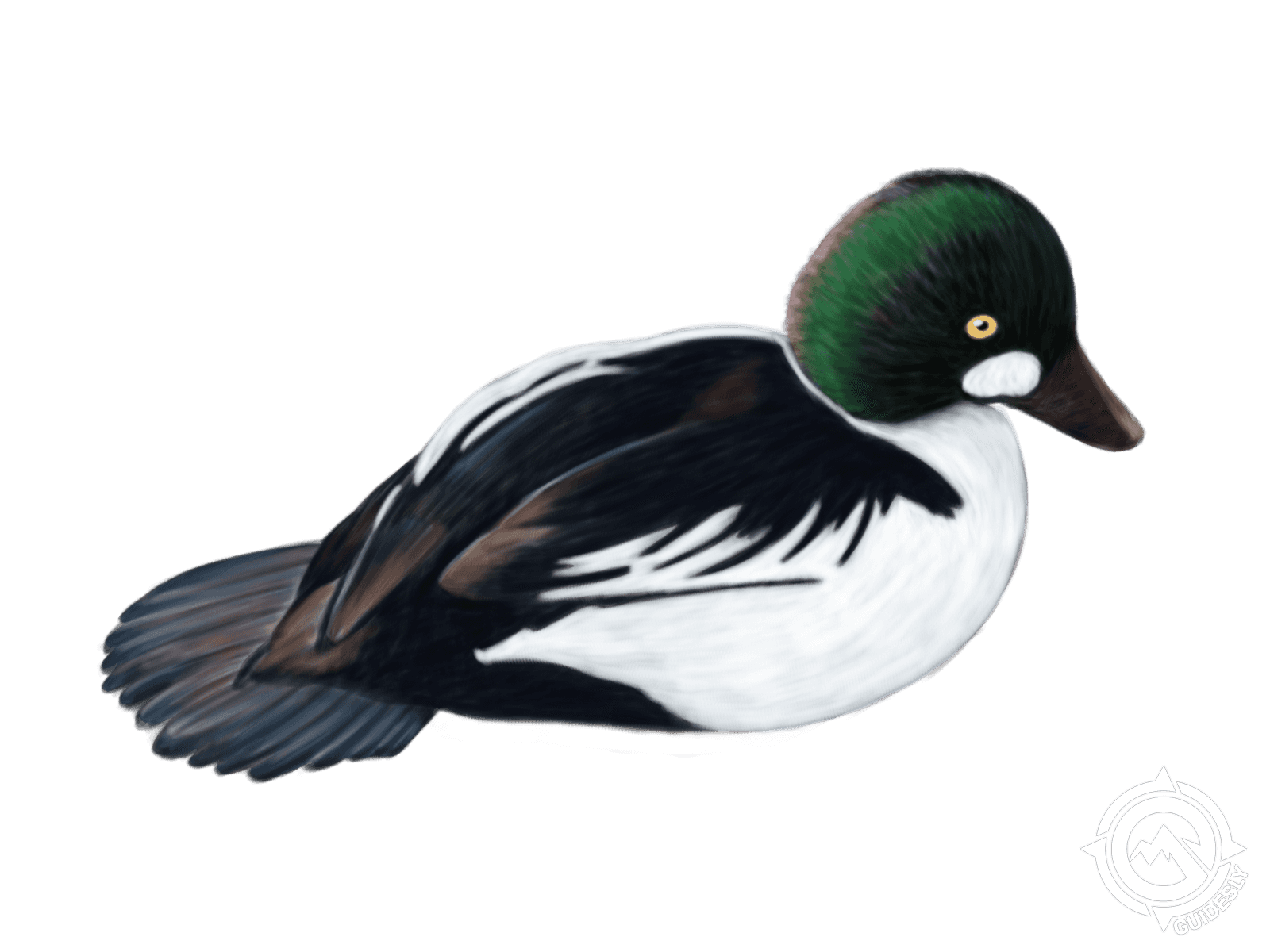
Common Goldeneyes are the acrobats of the diving duck world, with a distinctive whistling sound their wings make in flight. These medium-sized ducks arrive on Lake St Clair as ice begins forming on smaller inland waters, using the lake's thermal mass as a refuge. Goldeneyes are intelligent birds that require realistic decoy setups and minimal movement from hunters. They prefer areas with rocky or hard bottoms where they can dive for aquatic insects, small fish, and crustaceans. What makes goldeneye hunting special is their dramatic approach to decoys – they'll often make several passes, giving hunters multiple opportunities to evaluate shot angles and timing.
Canvasback hunting on Lake St Clair is the pinnacle experience for many waterfowlers. These large diving ducks are known as the "king of ducks" for good reason – they're fast, wary, and absolutely spectacular when they commit to a decoy spread. Canvasbacks are drawn to Lake St Clair by the extensive wild celery beds, their preferred food source. They typically arrive in smaller groups than other diving ducks, but their size and speed make every encounter memorable. These birds require precise shooting due to their thick feathers and robust build, and they're notorious for their ability to carry shot and escape if not hit cleanly. The best canvasback action
Learn more about the animals
Canvasback
Canvasback are the premium diving duck on Lake St Clair and the reason many hunters make the trip here. These large, elegant birds are built for speed with their sloped profile and powerful wings. They work the deeper waters of the main lake, diving for wild celery and other aquatic vegetation that gives their meat that legendary mild flavor. Prime time is mid-October through November when migration peaks and birds are feeding heavily. What makes cans special is everything - their size, their wariness, their table quality, and their reputation as the king of ducks. They're challenging to hunt because they're smart, often flying high and circling your spread multiple times before committing. When they do come in, it's usually fast and straight. The key to success with canvasback is patience and realistic decoy spreads in the right depth - 6 to 12 feet over vegetation beds works best.
Common Goldeneye
Common Goldeneye are medium-sized diving ducks that show up reliably on Lake St Clair during late season. These compact, sturdy birds prefer areas with rocky bottom and good visibility - they're visual hunters that dive for small fish and aquatic insects. You'll find them around the deeper structure and drop-offs, especially near the shipping channels. Peak hunting runs from November through December, with the best action during clear, cold days. What sets goldeneye apart is their speed and the distinctive whistling sound their wings make in flight. The drakes have that bright yellow eye and bold black-and-white pattern that's easy to spot. They're challenging birds that require good shooting skills and proper decoy placement. Table quality is decent, though they can vary depending on diet. Pro tip: set up near rocky areas in 10-15 feet of water, and don't be afraid to use some aggressive calling - they respond well to it.
Greater Scaup
Greater Scaup are tough, hardy diving ducks that call Lake St Clair home during late fall and winter months. These birds are built for deep water - they'll dive down 15-20 feet working the mussel beds and rocky structure along the main channel. They're medium-sized with a stocky build, and the drakes show off that distinctive white back during breeding plumage. Peak hunting runs from November into December when weather turns nasty. That's when scaup really pile into our protected bays and deeper areas. Hunters love them because they're challenging - scaup are wary and smart about decoy spreads. They fly fast and low, giving you quick shots that separate the good shooters from the rest. Meat-wise, they're decent table fare, though not quite as mild as some puddle ducks. Key trick: use larger decoy spreads in deeper water and be ready for birds coming from multiple angles.
Oldsquaw/Long-tailed Duck
Long-tailed ducks are the toughest birds you'll encounter on Lake St Clair, showing up when most other species have headed south. These small, compact divers love the roughest water conditions - the worse the weather, the better the hunting. They work the deep, open water areas where they dive incredible depths for small fish and invertebrates. Best hunting happens from late November through January during cold snaps and storms. What makes them special is their challenge level - they're extremely wary, fly erratically, and their chattering calls are unlike any other duck. The drakes sport those long tail feathers that give them their name. Table quality is fair, though they can be a bit strong depending on what they've been eating. These birds aren't for everyone, but experienced hunters appreciate the difficulty. My advice: hunt them during rough weather in big water, use sea duck decoys, and be patient.
Redhead
Redheads are medium-sized diving ducks that show up consistently on Lake St Clair during fall migration. These birds prefer the deeper waters around the main lake basin where they dive for aquatic vegetation and small mollusks. You'll spot them working in loose flocks, often mixed with other divers like canvasbacks. Peak hunting happens from mid-October through November when big groups stage here before heading south. What makes redheads special is their wariness - they're smart birds that test your calling and decoy setup. The drakes have that classic rusty red head that's unmistakable in good light. For table fare, they're solid eating when they've been feeding on the lake's vegetation. Best tip I can share: set your decoys in 8-12 feet of water near the drop-offs, and don't overcall. These birds like a quieter approach than most.
About the Canvasback
%2F%2Fusers%2F18681fc0-68a9-4860-8725-31d491da5079%2Fvehicle_picture%2F9495f159af6b14bf15858308ee2b68d7-mmpstxvn.jpg&w=1920&q=75)
Vehicle Guest Capacity: 3
Manufacturer Name: Mercury
Maximum Cruising Speed: 25
Number of Engines: 1
Horsepower per Engine: 50