%2Ffit-in%2F250x250%2Fguide_websites%2F121466%2Fimages%2F1773456582803logo-removebg-preview.png&w=1920&q=100)
/users/18681fc0-68a9-4860-8725-31d491da5079/ratecard/5814c264c54058f08e514506437ffaaf-mmpprfe7.jpg)
%2F300x300%2Fusers%2F18681fc0-68a9-4860-8725-31d491da5079%2Fratecard%2F5814c264c54058f08e514506437ffaaf-mmpprfe7.jpg&w=256&q=75)
%2F300x300%2Fusers%2F18681fc0-68a9-4860-8725-31d491da5079%2Fimages%2Fdetroit-fishing-boat-water-2417.jpg&w=256&q=75)
%2F300x300%2Fusers%2F18681fc0-68a9-4860-8725-31d491da5079%2Fimages%2Fdetroit-fishing-boat-catch-2389.jpg&w=256&q=75)
%2F300x300%2Fusers%2F18681fc0-68a9-4860-8725-31d491da5079%2Fimages%2Fdetroit-fishing-fresh-catch-2423.jpg&w=256&q=75)
%2F300x300%2Fusers%2F18681fc0-68a9-4860-8725-31d491da5079%2Fimages%2Fdetroit-walleye-fishing-catch-2542.jpg&w=256&q=75)
%2F300x300%2Fusers%2F18681fc0-68a9-4860-8725-31d491da5079%2Fimages%2Fwaterfowl-hunting-detroit-success-2375.jpg&w=256&q=75)
%2F300x300%2Fusers%2F18681fc0-68a9-4860-8725-31d491da5079%2Fimages%2Fdetroit-fishing-trip-catch-2453.jpg&w=256&q=75)
%2F300x300%2Fusers%2F18681fc0-68a9-4860-8725-31d491da5079%2Fimages%2Fdetroit-fishing-boat-catch-2380.jpg&w=256&q=75)
%2F300x300%2Fusers%2F18681fc0-68a9-4860-8725-31d491da5079%2Fimages%2Fdetroit-waterfowl-hunting-success-2615.jpg&w=256&q=75)
%2F300x300%2Fusers%2F18681fc0-68a9-4860-8725-31d491da5079%2Fimages%2Fsunset-fishing-detroit-waterfowl-2402.jpg&w=256&q=75)
%2F300x300%2Fusers%2F18681fc0-68a9-4860-8725-31d491da5079%2Fimages%2Fdetroit-fishing-boat-sunset-2537.jpg&w=256&q=75)
Detroit River Lake St Clair Walleye Guide Trips
What you will be catching:
 American Yellow Perch
 Blue Catfish
 Muskellunge
 Walleye
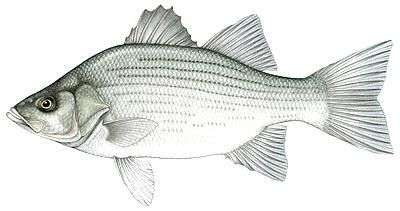
 White Bass
- This 4-hour morning trip puts you right in the heart of Detroit River and Lake St Clair's best walleye action. We launch at 7 AM when the fish are most active, targeting walleye and yellow perch using proven local spots that produce consistent results. You'll fish from a well-equipped boat with professional tackle included, so just bring your Michigan license and get ready to work some productive water. The trip maxes out at 2 guests, which means personalized attention and more room to fish. Our guides know these waters inside and out
- we'll put you on fish while sharing techniques that work in this unique system where the river meets the lake.
Trip Pricing and Availabilities:
Morning Walleye Hunt on Detroit River
Nothing beats the crisp morning air and glassy water as we push off at 7 AM for four hours of serious walleye action. This half-day guided trip covers the prime stretches of Detroit River and Lake St Clair, hitting the spots where walleye come to feed when the sun's low and the bite's hot. With room for up to 2 anglers, you'll get personalized attention and local knowledge that only comes from years of working these waters. We're talking about some of Michigan's most productive walleye fishing, right in the heart of the Great Lakes system where these fish stack up thick during their feeding windows.
What to Expect on the Water
We launch early because that's when walleye wake up hungry. The Detroit River system is like a highway for baitfish, and walleye know exactly where to set up for an easy meal. You'll see the city skyline fade behind us as we work our way to structure and drop-offs that hold fish consistently. This isn't a crowded party boat situation - with just 2 spots available, you'll have plenty of room to fish and learn. The morning session runs until about 11 AM, which gives us the prime feeding period before the sun climbs high and fish head for deeper water. Lake St Clair opens up huge opportunities too, especially when we find schools of yellow perch mixed in with the walleye. The whole experience feels relaxed but focused, exactly what you want when you're trying to put fish in the boat.
Gear Setup & Techniques
We provide all the rods, reels, and tackle you'll need - professional-grade stuff that can handle everything from finicky perch to hard-fighting muskies. The Detroit River requires different approaches depending on current, depth, and what the fish are doing on any given day. We might be jigging steep drop-offs, trolling along weed lines, or working bottom structure with live bait rigs. The beauty of having local knowledge is adapting to conditions in real time. You'll learn techniques that work specifically for this system, not generic lake fishing tips. All you need to bring is a valid Michigan fishing license, polarized sunglasses to cut through surface glare, and non-spray sunblock since aerosols can affect fish behavior. The gear we use is matched to the conditions, so whether we're dealing with zebra mussel-crusted bottom or working through thick weed growth, everything's set up for success.
Species You'll Want to Hook
White bass are absolute blast when they're schooled up and feeding aggressively. These fish hit hard and fight way above their weight class, typically running 12 to 16 inches in this system. Spring and early summer are peak times, but they can show up throughout the season when conditions are right. What makes white bass so exciting is their pack mentality - when you find one, you've usually found a bunch. They'll chase bait to the surface and create visible feeding frenzies that get your heart pumping.
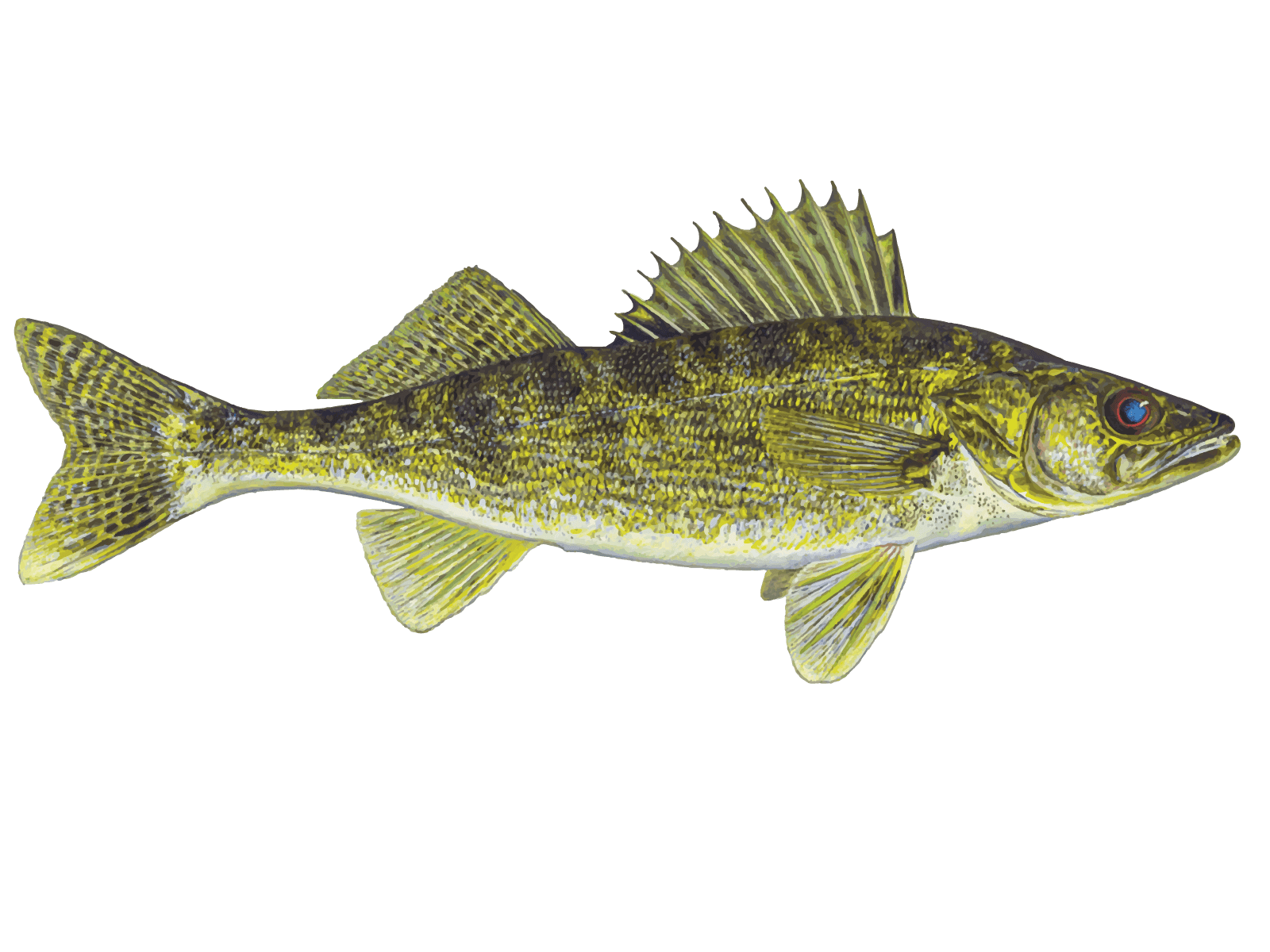
Walleye are the main target and for good reason - Detroit River and Lake St Clair produce some of the Great Lakes' best walleye fishing. These fish average 2 to 4 pounds but we regularly see fish pushing 6 pounds or better. They're most active during low-light periods, which is why our 7 AM start time is perfect. Walleye have excellent table fare and a reputation for being finicky, but when you know their patterns and have the right presentation, they'll bite consistently. The satisfaction of feeling that subtle walleye bite and setting the hook on a quality fish never gets old.
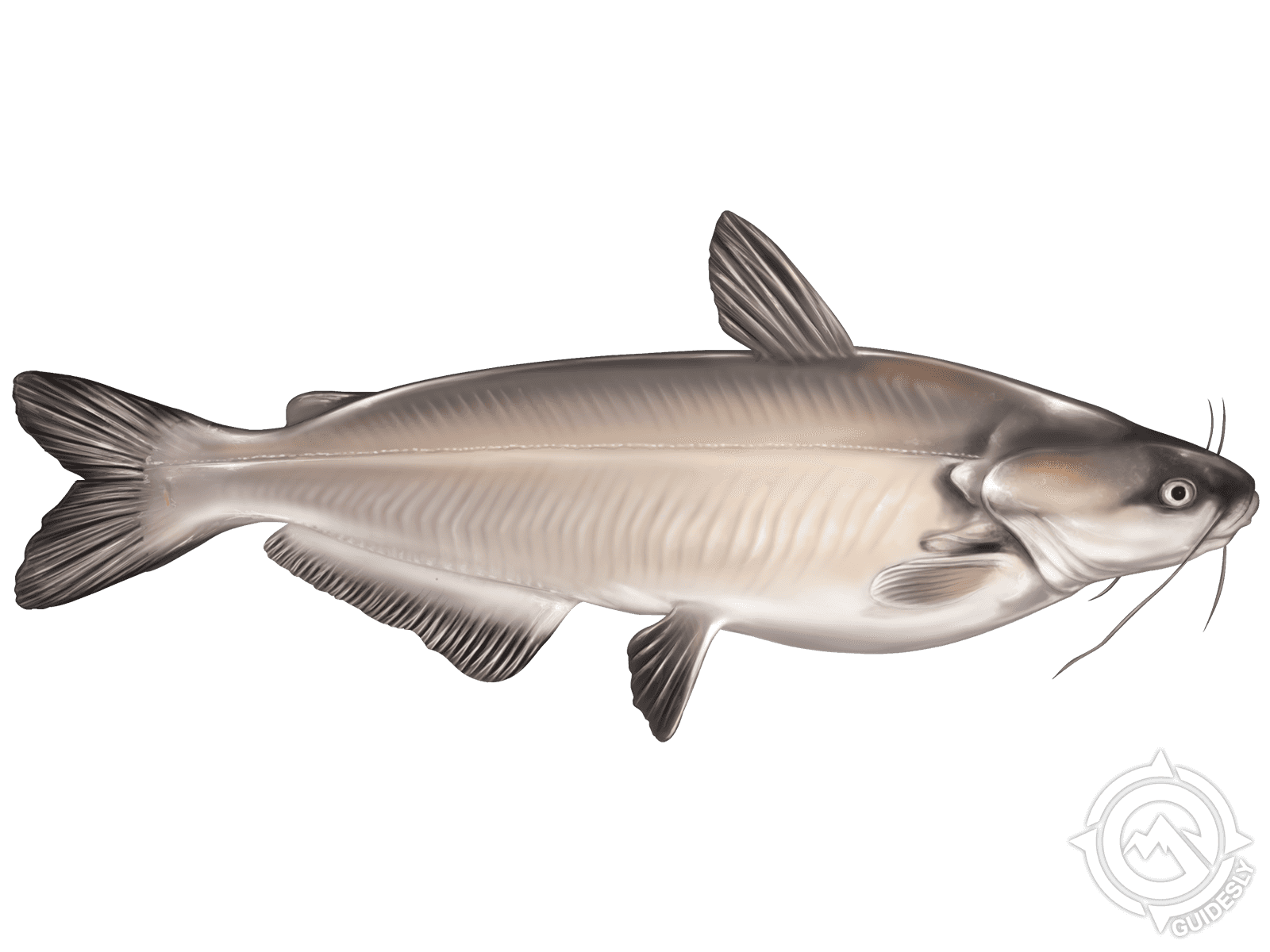
Blue catfish bring serious power to the party. These aren't your typical channel cats - blues can reach impressive sizes and provide rod-bending action that surprises a lot of anglers. They're opportunistic feeders that cruise the river system looking for easy meals. When a blue catfish hits, you know it immediately. They make long runs and use the current to their advantage, testing your drag and patience. Finding blue cats mixed in with walleye makes for variety that keeps the day interesting.
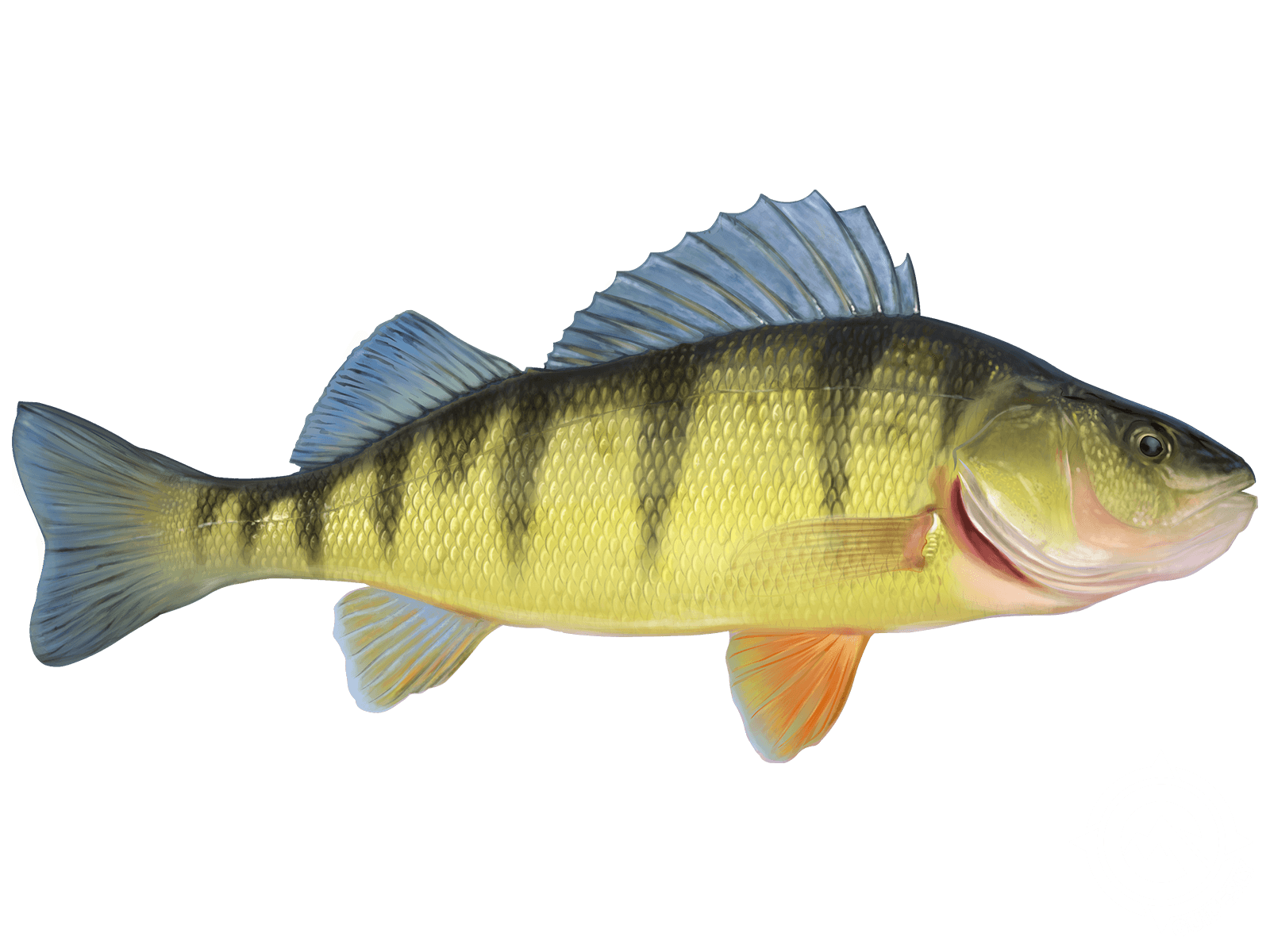
American yellow perch are a customer favorite because they're incredibly cooperative and excellent eating. These fish school heavily and once you locate them, steady action follows. Perch in this system run larger than many inland lakes, with jumbo perch over 10 inches being common. They're perfect for teaching kids or nervous beginners since they bite readily and aren't intimidating to handle. The bright yellow coloration and distinctive stripes make them beautiful fish to catch and photograph.
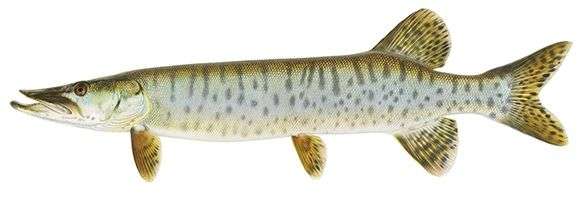
Muskellunge represent the wild card of this fishery. These apex predators patrol the same areas we fish for walleye and can show up when you least expect it. Detroit River muskies are known for their size and aggression, with fish over 40 inches being caught regularly. When a musky hits, everything changes - this is why we use quality gear that can handle sudden battles with these freshwater wolves. Landing a musky is always a highlight, whether it was the target species or a bonus fish that made the trip legendary.
Time to Book Your Spot
This morning walleye trip delivers exactly what serious anglers want - productive fishing with expert guidance in prime Great Lakes waters. The combination of Detroit River's structure and Lake St Clair's expansive opportunities creates fishing that stays interesting all season long. With only 2 spots available, you'll get the personalized attention that makes the difference between just fishing and actually catching. Whether you're looking to learn new techniques, target specific species, or just enjoy quality time on the water, this half-day morning session hits all the marks. The 7 AM departure means you're fishing during peak feeding times and back to shore before the day heats up. Book your morning walleye adventure and experience why this Detroit River fishery has earned its reputation as top-rated Great Lakes fishing.
Learn more about the animals
American Yellow Perch
Yellow perch are the bread and butter of our morning trips, running 7-10 inches with distinctive golden color and dark vertical bars. These schooling fish love weedy areas and structure in 6-15 feet of water, making them perfect targets during our dawn sessions. Spring and early summer provide the best action when they're active in shallow water feeding heavily. Guests appreciate how cooperative they are - once you find a school, you can often catch a dozen quickly. They're also some of the finest eating fish around with sweet, delicate meat that's hard to beat. Light tackle makes them fun to catch, and kids especially love the steady action. Pro tip: use small minnows or worms on light jigs, and when you catch one, keep fishing that exact spot - where there's one perch, there's usually twenty more.
Blue Catfish
Blue cats are the heavyweight bruisers of our system, averaging 15-25 pounds but capable of hitting 40+ pounds in these waters. These slate-blue fighters prefer deep holes and channels with muddy bottoms, especially around current breaks and drop-offs. They're most active during warmer months when they move into shallower feeding areas at night. What guests love is the powerful fight these fish put up - they'll test your drag and your patience. Fresh cut bait like herring or shad works best, and patience pays off since they're deliberate feeders. The meat is excellent - firm and mild when prepared right. My secret: fish the deeper channels near Belle Isle during slack tide periods. Let your bait sit motionless on bottom and wait for that steady pull - no quick hooksets needed with these fish.
Muskellunge
Muskies are the apex predator and ultimate trophy fish in our waters, growing 30-50 inches with razor-sharp teeth and an attitude to match. These ambush hunters patrol weed edges, rocky shoals, and drop-offs, often lurking in 10-25 feet of water near structure. Fall provides the best opportunity when they're feeding heavily before winter, though summer can produce explosive topwater action. What draws guests to muskie fishing is the challenge - they're called "the fish of ten thousand casts" for good reason, but landing one creates memories that last forever. The fight is legendary, combining power, speed, and aerial acrobatics. My advice: use barbless hooks for easier release, keep a heavy net ready, and always do a proper figure-8 at boatside - muskies often follow lures and strike right at the boat when you change direction.
Walleye
Walleye are the crown jewel of our waters, typically running 14-18 inches with those distinctive glassy eyes that help them hunt in low light. These golden-sided fish love structure - rocky reefs, weed edges, and drop-offs in 8-20 feet of water. Early morning trips are perfect since walleye feed heavily at dawn before moving deeper as the sun climbs. Guests love them because they're challenging to locate but rewarding to catch, plus they're hands-down the best eating fish in our waters with sweet, flaky meat. Spring through early summer offers the most consistent action when they're staging near spawning areas. Here's my go-to trick: when fishing jigs, always pause your retrieve near bottom - walleye often hit during that split-second when the bait stops moving.
White Bass
White bass are scrappy silver fighters that run 10-12 inches and travel in schools around the Detroit River and Lake St Clair. These aggressive feeders love hitting small jigs and spinners near the surface, especially during their spring and fall runs when they chase baitfish into shallow water. You'll find them around rocky points, drop-offs, and current breaks where they ambush prey. What makes them popular with guests is their willingness to bite and the way they fight hard for their size - plus they're excellent eating with firm, flaky white meat. The key to success is finding the school; once you locate them, you can often catch several quickly. My tip: when you see birds diving, get there fast - white bass are likely pushing baitfish to the surface underneath.
About the Canvasback
%2F%2Fusers%2F18681fc0-68a9-4860-8725-31d491da5079%2Fvehicle_picture%2F9495f159af6b14bf15858308ee2b68d7-mmpstxvn.jpg&w=1920&q=75)
Vehicle Guest Capacity: 3
Manufacturer Name: Mercury
Maximum Cruising Speed: 25
Number of Engines: 1
Horsepower per Engine: 50